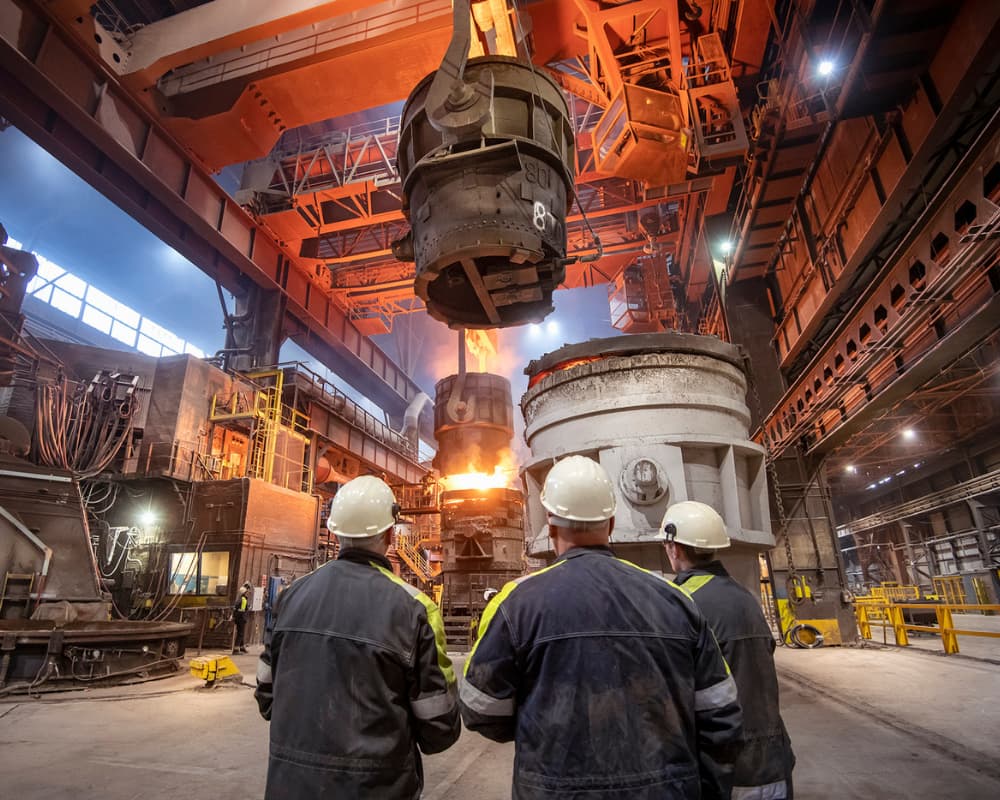
Sheffield Forgemasters has launched recruitment for 18 apprentices in 2026 as part of efforts to strengthen skills for its expanding advanced manufacturing operations. The initiative aligns with the company’s broader investment programme, which includes development of a new 13,000-tonne forging line and a 30,000m² machining facility designed to enhance production capability for high-integrity components.
The apprenticeship scheme will provide training across multiple disciplines, enabling participants to develop technical and professional skills while working towards recognised qualifications. Successful applicants will join a workforce of 770 employees and gain experience within one of Europe’s most sophisticated engineering environments.
The recruitment drive accompanies a £1.3 billion investment programme aimed at modernising manufacturing capacity and supporting defence production. The new facilities are intended to strengthen the UK’s capability to design and manufacture critical components for defence and industrial applications, reinforcing domestic engineering expertise.
Early careers manager Jenna Carr emphasised the importance of attracting committed individuals eager to develop new skills. She noted that the investment programme is creating opportunities for advanced engineering and production roles, with pathways that support long-term career development in high-technology manufacturing.
Apprenticeship opportunities span areas including machining, CNC programming, metallurgy, materials testing and maintenance, reflecting the diverse skill sets required in modern industrial operations. Applications remain open until 9 March 2026, with the company highlighting strong interest in previous recruitment cycles.
The programme forms part of wider efforts to address skills shortages in advanced manufacturing and ensure the availability of trained engineers for future industrial growth. By combining practical training with professional development, the scheme aims to support the next generation of engineering talent while contributing to national manufacturing capability.
Investment in facilities and skills is expected to enhance production for sectors such as defence, marine and energy, where high-integrity components are essential. The initiative underscores the importance of workforce development in supporting technological innovation and long-term industrial competitiveness.