A nation’s industrial maturity isn’t just measured by the goods it produces, but by the sophistication of the machines that make those goods. The machine tools sector is the engine room of this industrial progress—the source of the lathes, mills, and presses that shape everything from car parts to aircraft components. For years, Turkey was primarily an importer in this critical field, but a quiet revolution has been underway. Today, Turkey has transformed into a formidable force, producing and exporting its own high-quality machine tools. This article goes beyond the headlines, providing a definitive, data-driven analysis of Turkey’s position in the machine tools sector, its strategic challenges, and the immense opportunities that lie ahead.
Why It Matters: The Backbone of Industrial Independence
The machine tools sector is the very backbone of modern manufacturing. Its health and technological maturity directly impact every other major industry, including automotive, defense, aerospace, and energy. A country with a strong machine tools sector is not just a participant in global trade; it is a driver of its own technological independence and economic growth.
Over the past two decades, the Turkish machinery sector as a whole has seen its exports increase ten-fold, with a significant portion of this growth coming from machine tools. However, the sector still grapples with a trade deficit, relying on imports for specific high-end and special-purpose machinery. For B2B professionals, understanding this duality—Turkey’s growing strength as a producer and its strategic reliance on certain imports—is critical for making informed decisions on sourcing, investment, and market entry.
In-Depth Analysis: Turkey’s Strategic Role in the Machine Tools Sector
Turkey’s position in the global machine tools sector is a story of dynamic growth, strategic focus, and a unique balance between domestic production and international trade. .
1. A Top 10 Market with Growing Production
The Turkish machine tool market is among the top 10 globally, reflecting a strong domestic demand from a vibrant and diverse manufacturing base. This strong internal market has, in turn, fueled the growth of local production. While imports still account for a significant portion of the market, Turkish manufacturers are rapidly increasing their share, showcasing a concerted effort to boost domestic capacity.
2. The Rise of Turkish Exports
Turkey’s machine tool exports have seen a remarkable increase, with the country ranking as the 9th largest exporter of metalworking machines in the world in 2023. This is a testament to the sector’s ability to compete on a global scale.
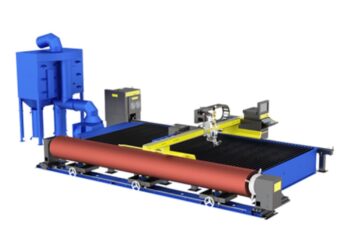
- Key Export Products: Turkey is a leading exporter of a variety of metalworking machines, including lathes, milling machines, and laser cutting equipment.
- Primary Export Markets: The main destinations for Turkish machine tool exports are Russia, the United States, Poland, and the United Kingdom. This diversification across both traditional and emerging markets is a key indicator of the sector’s resilience.
3. A Strategic Balance of Imports
While Turkey’s production is growing, CNC machine imports remain a critical component of the sector’s ecosystem.
- Key Import Partners: Germany, China, and Italy are Turkey’s largest suppliers of machine tools.
- The Import-Export Duality: Turkey exports a significant volume of general-purpose and specialized machinery to a wide range of countries, but it imports high-end, capital-intensive, and special-purpose machinery from global leaders like Germany. This strategic import policy allows Turkish manufacturers to access the latest technology, which they then use to produce high-quality components for both domestic and international markets.
4. R&D and Innovation: The Competitive Edge
To compete with global giants like Germany and China, Turkish manufacturers are investing heavily in R&D and technological innovation.
- Industry 4.0 Integration: Many Turkish firms are integrating technologies like IoT, AI, and advanced automation into their machines. This allows them to offer not just a machine, but a complete, smart manufacturing solution.
- Case Study: Firms like Ermaksan and Durmazlar are prime examples of this commitment. Ermaksan has invested heavily in developing its own fiber laser cutting technology, allowing it to compete directly with European and Chinese rivals. Durmazlar, a leader in sheet metal processing machines, has also made significant strides in automation and control systems.
Actionable Tips: A Roadmap for Success
For B2B professionals in the machine tools sector, here is a roadmap for capitalizing on Turkey’s unique position.
1. For Manufacturers & Designers
- Invest in R&D: The only way to compete with global brands is through continuous innovation. Focus on developing high-value-added machines that integrate technologies like AI and IoT.
- Pursue Niche Specialization: Instead of competing in broad categories, focus on a specific niche where you can become an expert and a leader.
- Strengthen Local Supply Chains: Turkey has a robust ecosystem of suppliers. Partner with them to reduce costs and mitigate supply chain risks.
2. For Importers & Buyers
- Evaluate Local Alternatives: Before you import, thoroughly evaluate local manufacturers. They may offer a better blend of technology, quality, and support than their international counterparts.
- Conduct a TCO Analysis: Look beyond the initial purchase price. Factor in the total cost of ownership, including maintenance, spare parts, and the cost of potential downtime.
- Vet After-Sales Support: A robust after-sales support system and a reliable spare parts network are powerful differentiators.
Common Mistakes & How to Avoid Them
The path to success in the machine tools sector is not without its challenges. Avoid these common pitfalls:
- Competing Only on Price: A strategy of competing on low price alone is unsustainable. Focus on quality, innovation, and value.
- Neglecting After-Sales Support: A lack of reliable after-sales support can destroy a brand’s reputation and lead to costly downtime for the customer.
- Failing to Adapt to New Technologies: The industry is moving toward Industry 4.0, sustainability, and digitalization. A failure to adapt will result in a loss of competitiveness.
Future Trends and Predictions for the Machine Tools Sector
The future of the machine tools sector in Turkey will be shaped by a few key trends.
- Sustained Digitalization: The integration of AI, IoT, and robotics will continue to grow, making Turkish machines not only powerful but also intelligent.
- Green Transition: The global push for sustainability will make energy-efficient and eco-friendly machine tools a top priority for buyers.
- The “Nearshoring” Advantage: Turkey’s strategic location and reliable manufacturing base will make it an increasingly attractive alternative to international suppliers.
Turkey’s position in the machine tools sector is a powerful story of a nation’s industrial rise. It is a story of a commitment to quality, innovation, and strategic adaptation to global trends. By continuing to focus on R&D, brand building, and customer service, Turkish manufacturers are not just building machines—they are building a legacy of technological excellence that is setting new standards on the global stage.