In the 21st century, the sustainable manufacturing sector faces a critical dual challenge: meeting global demand for goods while drastically reducing its environmental footprint. This challenge has driven a fundamental shift toward sustainable manufacturing, a comprehensive approach that seeks to minimize negative environmental impacts while conserving energy and natural resources. Moving beyond basic compliance, modern industry is embracing green manufacturing as a core strategy for long-term viability, efficiency, and industrial responsibility. This article explores the vital innovations, best practices, and metrics driving the industrial commitment to sustainable manufacturing and eco-friendly production.

Why Sustainability Matters in Manufacturing
The transition to sustainable manufacturing is no longer optional; it is a strategic imperative dictated by ecological necessity and market forces.
Environmental and Economic Benefits
The environmental case for sustainable manufacturing is clear: it involves reducing greenhouse gas emissions, minimizing waste generation, and conserving finite resources like water and fossil fuels. Yet, these environmental gains are inextricably linked to powerful economic benefits. Energy-efficient machinery, optimized processes, and reduced material waste directly translate into lower operating costs. For instance, investing in better waste management not only shrinks a company’s environmental impact but also cuts expenses associated with disposal and material purchasing. Companies that adopt sustainable manufacturing early often gain a competitive edge through enhanced operational efficiency and resource productivity.
Regulatory and ESG Requirements
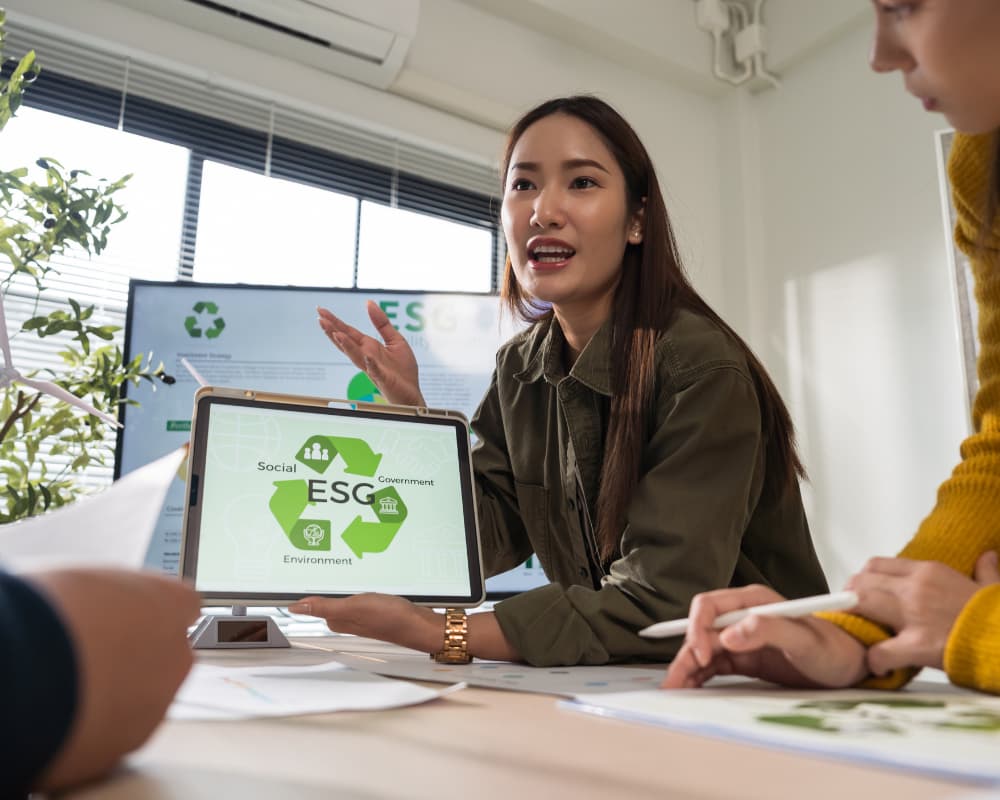
Globally, governments are enacting stricter environmental regulations, making compliance a growing concern for manufacturers. Beyond regulation, the financial markets are increasingly scrutinizing corporate performance through the lens of Environmental, Social, and Governance (ESG) criteria. Investors, customers, and stakeholders now demand transparency and accountability regarding a company’s environmental impact. Strong performance in ESG in industry is directly linked to better access to capital, lower risk profiles, and a more favorable public image. Manufacturing firms that proactively embed industrial sustainability into their strategy ensure they meet these vital stakeholder expectations and protect their license to operate.
Green Innovations in Industrial Equipment
The heart of sustainable manufacturing lies in technology that minimizes resource consumption throughout the production process.
Energy-Efficient Machinery
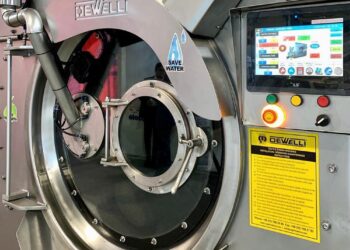
A significant portion of a factory’s environmental impact stems from energy consumption. Consequently, innovation is heavily focused on developing energy-efficient machinery. This includes the use of highly optimized servo motors and drive systems that consume energy only when needed, replacing older hydraulic systems with more efficient electric alternatives. Furthermore, smart machine controllers utilize predictive algorithms to optimize operational schedules, such as staggering the use of high-load equipment to avoid peak energy consumption times, thereby reducing both cost and grid strain. Upgrading to cutting-edge CNC equipment, optimized HVAC systems, and high-efficiency lighting are foundational steps toward true green manufacturing.
Recycled and Renewable Materials
Shifting material inputs is another major innovation area. Manufacturers are increasingly utilizing recycled and renewable materials, reducing the demand for virgin resources whose extraction and processing are energy-intensive. This includes using recycled metals, plastics, and composites, often specified by customers demanding eco-friendly production. Beyond recycling, the industry is exploring bio-based and biodegradable materials that offer performance characteristics similar to traditional materials but possess a lower environmental impact at their end-of-life. The use of advanced material science in sustainable manufacturing helps close the loop and supports circular economy principles.
Sustainable Production Practices
Technology must be complemented by systemic changes to sustainable manufacturing floor practices to achieve comprehensive industrial sustainability.
Waste Reduction Techniques
Effective waste reduction techniques target waste at its source, moving beyond simple disposal. This includes:
- Process Optimization: Implementing lean manufacturing principles to identify and eliminate non-value-added activities, which often generate waste.
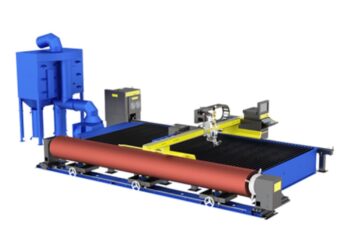
- Precision Machining: Utilizing advanced machining technology (like 5-axis CNC) to increase material yield and reduce scrap.
- Byproduct Valorization: Treating manufacturing byproducts (e.g., metal swarf, plastic trim) not as waste, but as valuable secondary resources that can be sold or reused internally.
Water and Energy Management
Water and energy are critical inputs that require vigilant management. Water and energy management systems involve closed-loop cooling and filtration systems that dramatically reduce water consumption. For energy, this means implementing comprehensive energy audits to pinpoint inefficiencies, followed by integrating renewable energy sources (such as solar panels) on factory rooftops. Smart sensor technology monitors utility consumption across different manufacturing cells, allowing managers to identify and correct usage spikes, ensuring all facilities operate with maximum efficiency and support the goal of eco-friendly production.
Measuring Sustainability Performance
To ensure accountability and drive continuous improvement, sustainable manufacturing efforts must be quantifiable.
ESG Metrics and Reporting
The rise of ESG in industry has necessitated standardized measurement and reporting. Manufacturers are now required to track specific Key Performance Indicators (KPIs) related to their environmental impact. These ESG metrics and reporting requirements include:
- Total energy consumption (measured in $\text{kWh}$ or $\text{GJ}$).
- Greenhouse gas emissions (Scope 1, 2, and 3, often measured in $\text{CO}_2$ equivalents).
- Total waste generated and the percentage diverted from landfill.
- Water usage intensity (water consumed per unit of production).
Accurate and transparent reporting against these metrics is vital for attracting investment and demonstrating corporate responsibility.
Certification Standards and Compliance
Adherence to established certification standards and compliance frameworks provides external validation of a company’s commitment to sustainable manufacturing. These include:
- ISO 14001: An international standard for Environmental Management Systems (EMS).
- LEED Certification: For the construction and operation of energy-efficient manufacturing facilities.
- Specific Industry Standards: Sector-specific sustainability ratings and supply chain audits that verify green manufacturing practices among suppliers.
Compliance is no longer a checklist; it is a commitment to continuous improvement validated by globally recognized benchmarks.
The Future of Green Manufacturing
The trajectory of sustainable manufacturing points towards radical changes in how goods are designed, produced, and consumed.
Circular Economy Models
The future of eco-friendly production will be dominated by Circular Economy Models. Unlike the traditional linear “take-make-dispose” approach, the circular economy focuses on designing waste out of the system. Manufacturers will adopt “Product-as-a-Service” models, prioritize durability and repairability, and create robust systems for product recovery and component reuse. This model is essential for achieving true industrial sustainability by keeping resources in use for as long as possible, reducing the need for new raw materials.
Smart Factories and Sustainability Integration
The ultimate sustainable manufacturing will occur within Smart Factories and Sustainability Integration. These digitally connected factories use advanced analytics, IoT (Internet of Things), and cloud computing to create highly optimized production environments. In a smart factory, every piece of equipment, from energy-efficient machinery to waste handling systems, communicates. AI-driven optimization algorithms can manage production schedules in real-time, prioritizing not just speed and cost, but also minimal energy consumption and maximum material yield. This hyper-efficient, data-driven environment is the final frontier in achieving scalable, verifiable green manufacturing.
The adoption of sustainable manufacturing principles is a crucial step for the modern industrial enterprise. By embracing sustainable manufacturing technology, meeting stringent ESG in industry requirements, and committing to circular practices, manufacturers can drive profitability while securing a healthier planet for future generations.