The rapid expansion of artificial intelligence–driven data centres is reshaping power and connectivity requirements across the Asia-Pacific region, pushing cable technology to the forefront of next-generation digital infrastructure. As AI workloads demand higher power density, advanced connectivity, and reliable thermal performance, cable solutions provider Prysmian is strengthening its regional presence to support hyperscale and enterprise data centre development.
With more than 50 years of operations in Singapore, Prysmian is positioning itself as a key partner for data centre projects across Southeast Asia and neighboring markets. The convergence of AI adoption and large-scale data centre expansion is creating new technical challenges, particularly around energy efficiency, heat management, and space optimization. These facilities require far greater power capacity than traditional data centres, alongside resilient cabling systems capable of supporting intensive and continuous compute workloads.
Speaking during a recent earnings call, Prysmian CEO Massimo Battaini emphasized the company’s global approach to capturing growth in the data centre segment. He noted that Prysmian is working across Europe, Latin America, and Asia-Pacific to strengthen its go-to-market strategies and build robust supply chains, with the goal of increasing its market share in the rapidly expanding data centre sector.
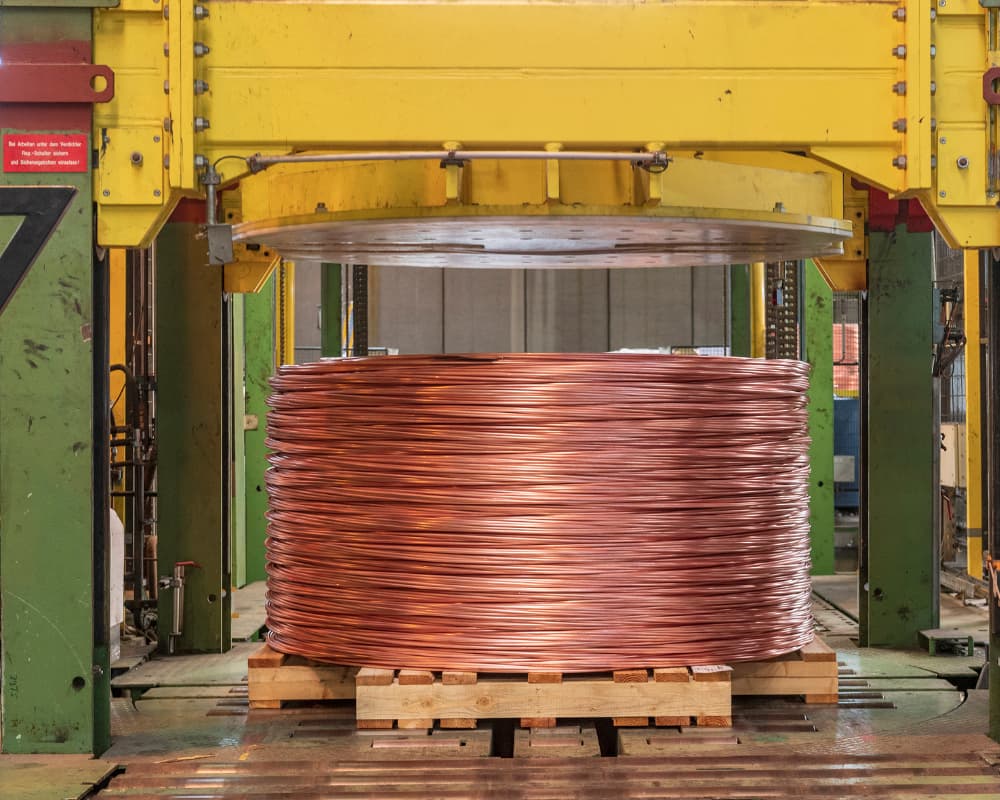
The acceleration of AI infrastructure is also placing significant strain on global material supply chains, particularly copper. Rising demand linked to AI-related hardware has driven price increases across the technology sector, with components such as GPUs and solid-state drives seeing cost hikes of up to 30%. These pressures are forcing infrastructure providers to seek solutions that deliver higher performance while reducing material consumption.
Cabling systems have emerged as a critical area for innovation, as they directly affect power delivery efficiency, space utilization, and long-term operating costs within data centres. In response, Prysmian has developed advanced cable technologies designed to optimize performance under tighter material constraints.
In Southeast Asia, the company has introduced a new power cable design capable of delivering the same power output as conventional cables while using significantly less copper. The cable features a smaller overall diameter, achieved through advanced optimization of insulation and sheathing materials. This design allows safe operation at temperatures of up to 110°C, compared with the industry standard of 90°C, enabling reduced copper content without compromising performance or safety.
The improved thermal capability also contributes to a lower carbon footprint during production and helps mitigate rising material costs. In addition, the smaller and lighter cables simplify transportation and installation, while a reduced bending radius allows for tighter layouts and more efficient use of space within high-density data centre environments.
As AI-driven data centre construction continues to accelerate across Asia-Pacific, Prysmian’s focus on material-efficient, high-performance cabling highlights how infrastructure innovation is becoming essential to sustaining the region’s digital and energy-intensive growth.