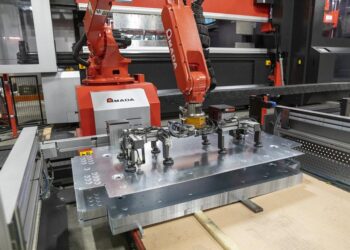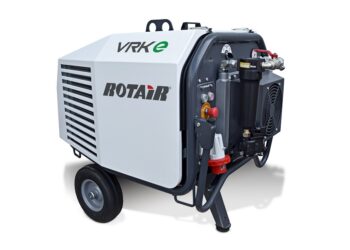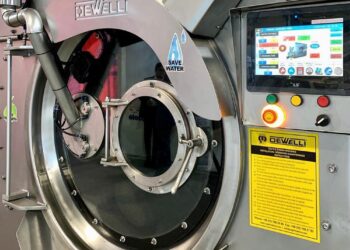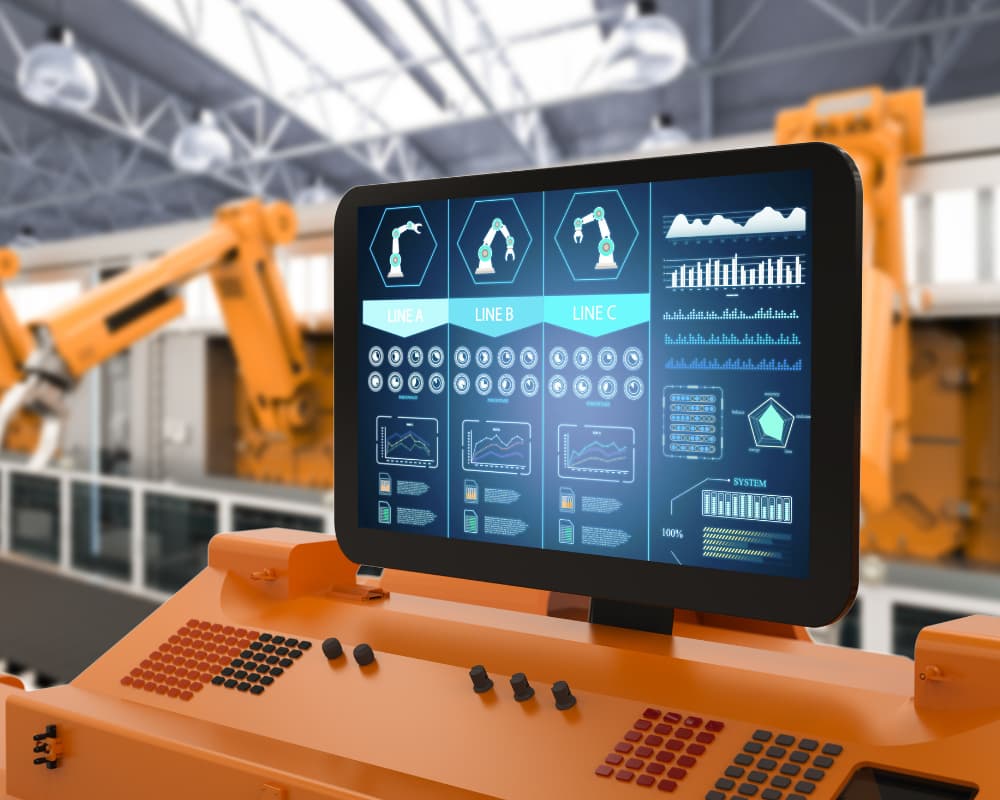
The modern industrial landscape is being profoundly redefined by the integration of Artificial Intelligence (AI) into production systems, a shift that is central to the concept of the AI in smart factory. This digital transformation is fundamentally about converting the raw, massive streams of real-time data generated by machinery into precise, actionable insights. The role of AI in smart factories is that of the intelligent decision-maker and optimizer, enabling unprecedented levels of factory automation, quality, and operational efficiency through sophisticated predictive analytics.
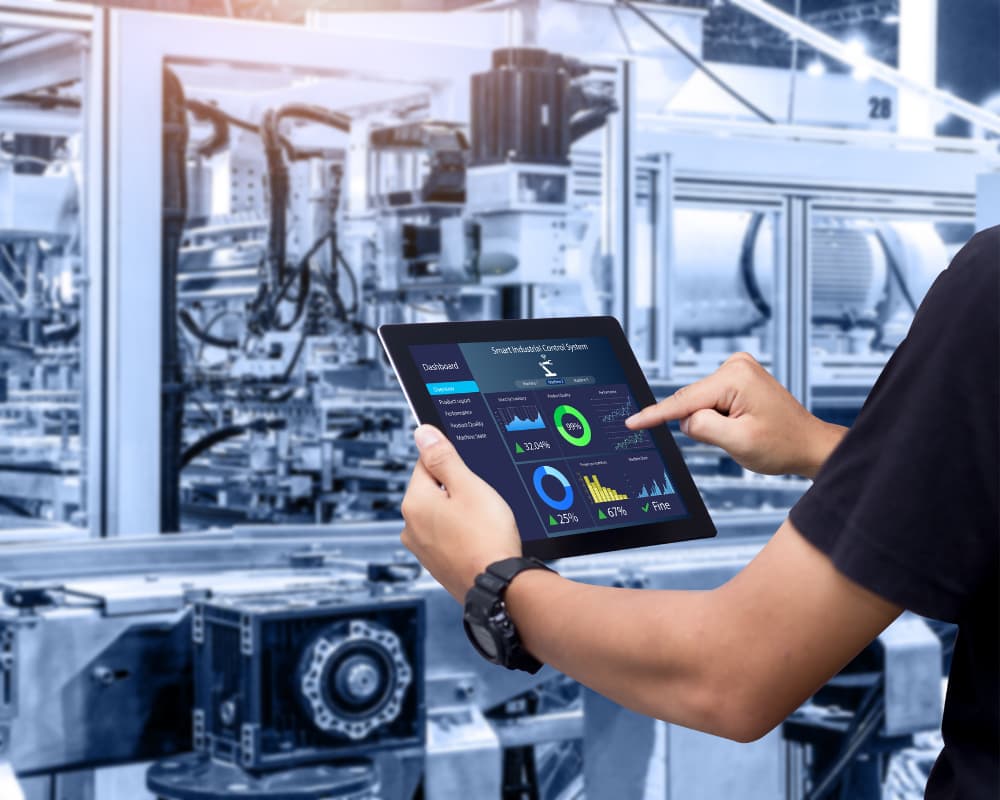
Understanding AI in Smart Factories
The intelligence of the smart factory is not merely a collection of sensors, but the result of layering powerful AI algorithms over a robust data infrastructure.
Data-Driven Decision Making
In a traditional factory, decisions regarding maintenance, quality control, and scheduling relied on historical logs, statistical process control (SPC), and human experience. AI in smart factory replaces this reactive, often slow process with data-driven decision making. By continuously analyzing terabytes of data from every asset on the floor, AI models identify subtle patterns and correlations invisible to human operators. This industrial AI provides a complete, objective view of the production process, allowing the system to flag anomalies, predict outcomes, and recommend optimal actions instantly, thereby ensuring operational efficiency is maintained dynamically and consistently.
Benefits Over Traditional Methods
The shift to AI in smart factories offers substantial benefits over legacy methods of control and management. Traditional automation, while reliable, is rigid; it follows pre-programmed instructions regardless of changing conditions like material variability or tool wear. Conversely, machine learning in manufacturing enables adaptive, flexible automation. The AI system learns from every cycle, dynamically adjusting parameters like spindle speeds or material flow rates in real-time data based on actual conditions. This adaptability results in higher throughput, superior product consistency, and a massive reduction in scrap compared to static, rule-based systems.
Core Applications of AI
The tangible value of AI in smart factory is most clearly demonstrated in two critical operational domains: equipment health and product quality.
Predictive Maintenance and Downtime Reduction
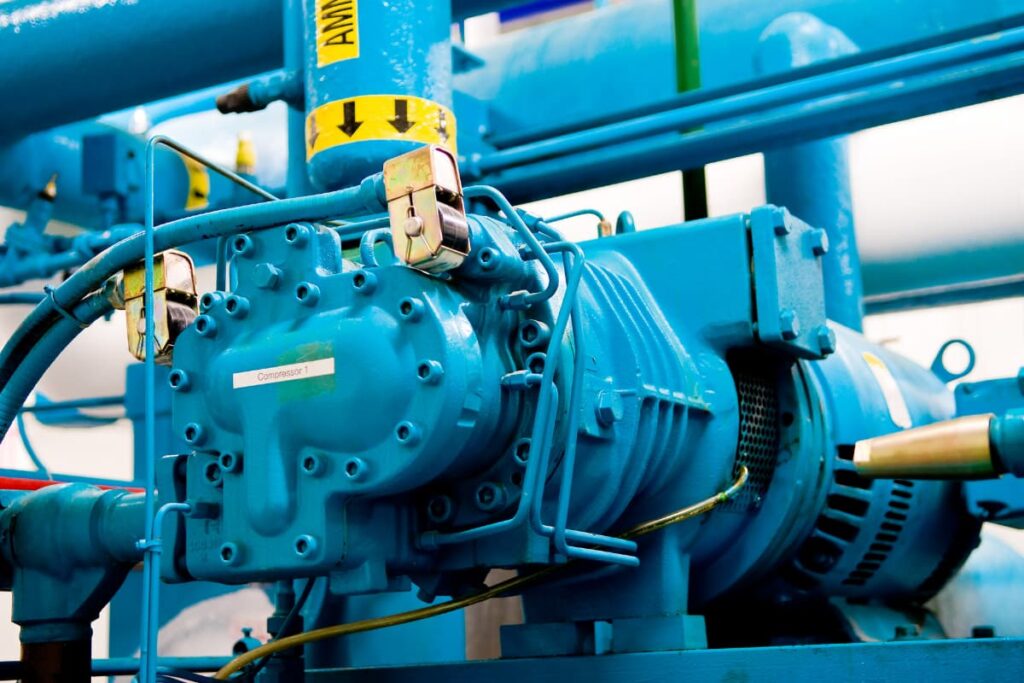
Predictive maintenance (PdM) is the most widespread and financially impactful application of AI in smart factories. Using sensor data from vibration, temperature, and current draw, industrial AI models analyze the “health signature” of critical assets like motors and pumps. The AI doesn’t wait for a fixed schedule or a breakdown; instead, it forecasts the remaining useful life of a component with high accuracy. This capability enables manufacturers to schedule maintenance precisely when it is needed, just before failure is predicted. This proactive strategy drastically reduces unplanned downtime reduction by as much as 50%, minimizes costs associated with emergency repairs, and maximizes the operational longevity of capital equipment, achieving optimal asset utilization.
Automated Quality Control
Another area revolutionized by machine learning in manufacturing is quality assurance. Manual inspection is slow, inconsistent, and prone to human fatigue and error. AI-powered automated quality control systems, utilizing high-resolution machine vision and deep learning algorithms, inspect every single product on the assembly line. The system can identify microscopic defects, inconsistent colors, and slight dimensional deviations with far greater speed and precision than any human inspector. By integrating this system with the production controls, the AI can immediately identify the upstream process deviation that caused the defect and automatically adjust machine parameters to correct the issue, forming a powerful, closed-loop system that reduces waste and guarantees uniform quality.
Data Integration and Analytics
The operational intelligence provided by AI in smart factory hinges entirely on a seamless, robust, and scalable data architecture.
Industrial IoT and Cloud Computing
The foundation is built upon the Industrial IoT (IIoT), which acts as the sensory nervous system of the factory. Thousands of sensors, attached to machinery, conveyor belts, and products, continuously stream massive volumes of real-time data covering every facet of production. This data is aggregated and transmitted to cloud computing platforms. The cloud provides the necessary computational power and elastic storage to house this “Big Data” and run the complex machine learning in manufacturing models, allowing for fleet-wide analysis, historical trend identification, and comprehensive predictive analytics that inform strategic decisions.
Edge Computing and Real-Time Insights
While the cloud is essential for training complex models, relying solely on the cloud for immediate machine control introduces unacceptable latency. This is where Edge Computing becomes critical. Edge devices—localized computers on the factory floor—process sensor data instantaneously. This allows for immediate, low-latency control functions, such as collision avoidance in robotics or instant cutting force adjustments in a CNC machine. This decentralized architecture ensures that critical decisions are made with the speed necessary for AI in smart factory, providing true real-time data insights and action while maintaining resilience even if the cloud connection is temporarily lost.
Case Studies
The benefits of AI in smart factory are proven across global manufacturing enterprises, delivering tangible returns on investment.
Automotive Manufacturing Lines
In automotive manufacturing lines, industrial AI in smart factory is used extensively for quality control and welding optimization. Vision systems monitor thousands of spot welds per vehicle, using ML to check for consistency and depth, ensuring structural integrity at high speeds. Furthermore, AI analyzes assembly data to predict which vehicles are most likely to experience a warranty claim based on minor fluctuations during the build process, enabling proactive inspection and preventing costly recalls, demonstrating powerful predictive analytics at scale.
Electronics and High-Precision Production
For electronics and high-precision production, machine learning in manufacturing is essential due to the minute scale of components. AI guides ultra-precise pick-and-place robots, adjusting their grip and placement trajectory based on the slight thermal expansion of materials during assembly. In semiconductor manufacturing, AI analyzes complex chemical processes and environmental factors to predict yield rates, allowing engineers to adjust parameters before thousands of wafers are ruined, proving the critical role of AI in smart factory for quality-sensitive operations.
Future of AI in Smart Factories
The ongoing development of AI in smart factory points toward an increasingly autonomous, flexible, and human-empowered future.
Fully Autonomous Production Lines
The trajectory of factory automation leads toward Fully Autonomous Production Lines. In this future, AI will manage the entire operational ecosystem: scheduling, raw material logistics, tool selection, process control, and maintenance. AI systems will act as the orchestrator, making strategic decisions that span from optimizing energy consumption to adjusting production mix based on global demand signals. This level of autonomy, underpinned by advanced predictive analytics, will unlock peak CNC efficiency and operational resilience without constant human supervision.
Human-AI Collaboration in Operations
Crucially, AI in smart factory is not about eliminating the human worker, but rather about enabling Human-AI Collaboration in Operations. AI will handle the repetitive, data-intensive tasks and predictions, freeing human workers to focus on creative problem-solving, complex machine repair, ethical decision-making, and strategic system optimization. Workers will use AI in smart factory, augmented reality (AR) tools, and conversational AI assistants to quickly access real-time data insights and make smarter, more confident decisions, transforming the role of the factory worker into that of an empowered system supervisor.