Clean-tech startup Electra has raised $186 million in Series B funding to accelerate the development and commercialization of its electrolytic iron production technology, a low-carbon alternative to traditional steelmaking processes. The substantial investment comes from a strategic syndicate of global mining and steel industry leaders, signaling growing confidence in Electra’s potential to transform iron production.
The funding round was led by Capricorn Investment Group and Temasek Holdings and included participation from major iron ore suppliers such as Rio Tinto, Roy Hill, and BHP’s venture arm, as well as steel producers and buyers including Nucor, Yamato Kogyo, Interfer Edelstahl Group and Toyota Tsusho Corp.. These investors represent key segments of the iron and steel value chain, underlining broad industry support for cleaner production methods.
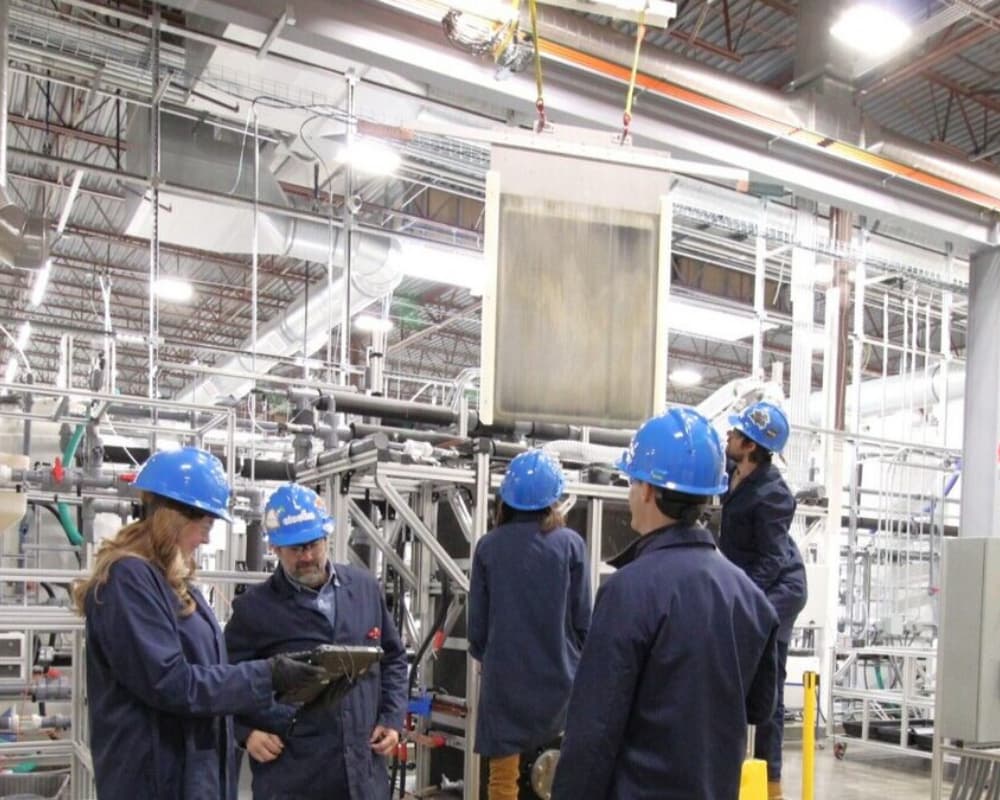
Electra’s technology uses an electrowinning process to purify iron from ore at low temperatures using clean electricity, avoiding the carbon-intensive blast furnaces that dominate current ironmaking. The process dissolves iron in an acidic solution and uses electricity to deposit high-purity iron, offering a pathway to drastically lower emissions in steel production.
The new capital will support the construction of Electra’s first demonstration-scale facility, expected to produce around 500 tonnes of high-purity iron annually when it opens next year. While this initial output is small compared with global steel production, it represents a key milestone in proving the technology’s viability and scalability. Electra aims to launch a commercial-scale operation by 2029, although details on its capacity have not yet been released.
Steelmaking remains one of the world’s most carbon-intensive industries, accounting for an estimated 7 %–9 % of global greenhouse gas emissions. Traditional iron purification relies on coal-fired blast furnaces operating at extremely high temperatures, in stark contrast to Electra’s low-temperature, electricity-driven process.
Support from major industry players reflects both the environmental urgency and commercial opportunities tied to cleaner iron production. Electra’s approach complements other emerging decarbonization pathways in metals manufacturing such as hydrogen-based direct reduction by offering flexibility and potentially lower energy requirements.
With this funding, Electra is positioning itself to play a significant role in the future of sustainable steelmaking, potentially reshaping how one of the most widely used industrial materials is produced worldwide.