ExxonMobil Corporation has officially started up a third advanced plastics recycling unit at its integrated manufacturing complex in Baytown, Texas, marking a substantial expansion in its efforts to turn plastic waste into reusable raw materials and support a more circular economy.
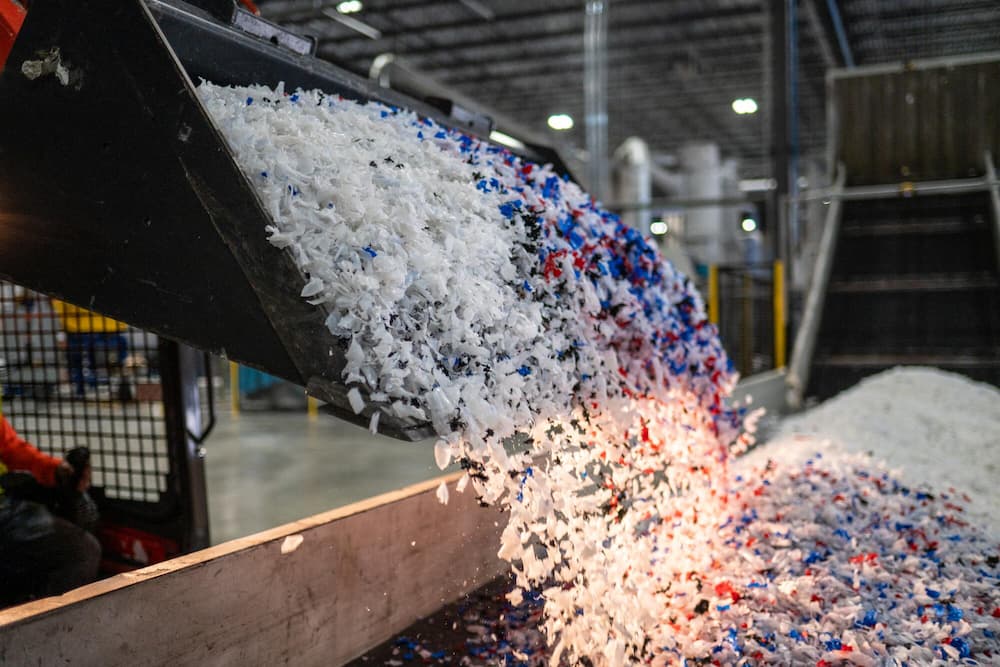
Located within one of the largest petrochemical hubs in the United States, the new unit significantly increases the Baytown facility’s capacity to process plastic waste, bringing annual throughput to roughly 250 million pounds of plastic scrap. The milestone reflects ExxonMobil’s broader strategy to scale advanced recycling technologies that can break down hard-to-recycle plastics into molecular building blocks for use in high-value products.
Advanced recycling differs from traditional mechanical recycling by using proprietary chemical processes to convert mixed and contaminated plastics into feedstocks that can be re-used to make new materials — including certified-circular polymers suitable for consumer goods, packaging, and industrial applications. ExxonMobil says that the Baytown expansion will help divert more plastic from landfills and incineration, supporting customers’ sustainability commitments and increasing the supply of recycled content in global markets.
With the third unit now operational, ExxonMobil is also targeting a global advanced recycling capacity of approximately 450 million pounds per year by the end of 2026, reflecting continued investment in sustainable materials infrastructure across its facilities.
The startup of this unit underscores ExxonMobil’s ongoing commitment to innovation in plastics recycling as part of its broader portfolio of chemical and sustainability initiatives. While the Baytown complex has long served as a center for petrochemical production, expanded recycling operations mark a notable shift toward integrating circular-economy solutions into its industrial footprint.