A nation’s industrial heart beats in rhythm with both its exports and imports. For many countries, a robust domestic manufacturing sector is often complemented by strategic imported machinery products in 2025 that fill gaps in local production, introduce new technologies, and drive growth. However, in a world marked by supply chain volatility, currency fluctuations, and a renewed focus on local production, the landscape of machinery imports is undergoing a profound shift. So, what are the most critical machinery products being imported in 2025, and what can B2B professionals learn from these trends? This article provides a comprehensive, data-driven analysis to serve as your definitive guide to the key products and strategic drivers of machinery imports today.
Why It Matters: Filling the Gaps and Fueling Innovation
The decision to import machinery is a strategic one, often made to access advanced technologies, specialized equipment, or large-scale production capabilities that are not available domestically. For a country like Canada, a significant portion of its imports in June 2025 were in industrial machinery, equipment, and parts, with a major increase in the logging, construction, mining, and oil and gas fields. The US also saw an increase in imports of capital goods like excavating machinery and civilian aircraft. These trends underscore the fact that imported machinery products in 2025 are not a sign of industrial weakness, but rather a reflection of a nation’s need to fill key gaps, fuel infrastructure development, and maintain technological parity with global leaders.
For B2B professionals, this trend is a compass. It points to the sectors with high demand, the technologies that are driving innovation, and the strategic opportunities for both local producers and importers. Understanding these dynamics is crucial for making informed decisions, whether you’re looking to source a new machine, identify a new market to sell to, or invest in a new production facility.
In-Depth Analysis: The Key Imported Machinery Products of 2025
Based on recent global trade data and expert analysis, the key imported machinery products in 2025 are primarily high-tech, capital-intensive goods.
1. High-Tech and High-Precision CNC Machines
The metalworking and tooling sector is a major consumer of imported machinery. While many countries have a strong domestic production base for general-purpose CNC machines, the demand for high-tech, multi-axis, and specialized models often requires international sourcing.
- The Drivers of Demand: The push for Industry 4.0, the need for increased precision in sectors like aerospace and defense, and a global focus on automation are driving imports.
- Key Exporters: Germany, Japan, and Taiwan remain the dominant exporters of high-precision CNC machines. China, while a major exporter of general-purpose machines, is also increasingly exporting more advanced models.
- Analysis: The import of these high-tech machines is a signal of a nation’s commitment to modernizing its manufacturing base. The high cost of these machines is often justified by their ability to boost productivity, improve quality, and reduce operational costs in the long run.
2. Construction, Mining, and Oil & Gas Field Machinery
The global boom in infrastructure and energy projects is creating a massive demand for heavy machinery.
- The Drivers of Demand: In 2025, countries are investing heavily in new roads, bridges, energy facilities, and mines. This requires a constant influx of new and specialized equipment. For example, Canada saw a significant increase in imports of logging, construction, mining, and oil and gas field machinery in June 2025.
- Key Exporters: Germany, the United States, and Japan are the traditional leaders in this sector, known for their durable, high-performance machines. China is also an increasingly important player, especially in markets where price is a major factor.
- Analysis: The import of these machines is a direct reflection of a country’s economic health and its commitment to infrastructure development. For importers, the decision to buy these machines is often a long-term one, and factors like after-sales support and spare parts availability are as important as the initial cost.
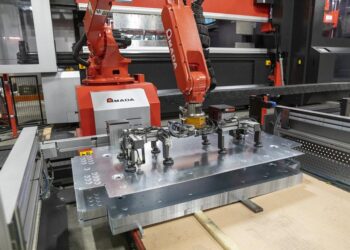
3. Industrial Automation and Robotics
The global race to automate is a major driver of machinery imports. Many countries, including Turkey, are importing robotics and automation systems to boost productivity and reduce reliance on human labor for repetitive tasks.
- The Drivers of Demand: A global skilled labor shortage, a push for higher production efficiency, and the adoption of Industry 4.0 are fueling this demand.
- Key Exporters: Germany, Japan, and the United States are the leading exporters of industrial robots and automation systems.
- Analysis: The import of these systems is a direct investment in the future. It is a sign of a country’s commitment to moving up the value chain and becoming a leader in smart manufacturing.
4. Specialized Machinery for Niche Industries
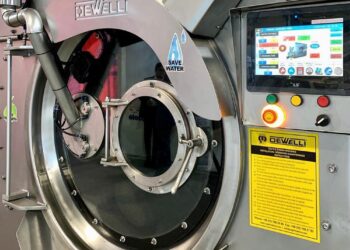
The demand for specialized machinery is a growing trend. This includes machinery for industries like food processing, packaging, and textiles.
- The Drivers of Demand: The need for machines that can meet specific hygiene standards, produce unique products, or offer a high degree of customization is driving imports.
- Key Exporters: Italy is a global leader in specialized machinery for sectors like food processing and packaging. Its machines are known for their high quality, innovative design, and ability to meet the unique needs of these industries.
- Analysis: The import of these machines is a sign of a country’s focus on building a robust and diverse industrial base. It is a way to fuel innovation in niche sectors and compete with global players.
Actionable Tips for B2B Professionals
For importers, manufacturers, and buyers, understanding these trends is the first step. The next is to act on them.
1. For Importers and Buyers
- Conduct a TCO Analysis: Look beyond the initial purchase price. Factor in long-term costs like energy consumption, maintenance, spare parts availability, and the cost of potential downtime.
- Verify Certifications: Ensure the machinery you import meets all relevant international and local safety and quality standards. Importing a non-compliant machine can lead to fines, confiscation, and project delays.
- Vet After-Sales Support: Before you commit, get references from other customers. Inquire about the supplier’s after-sales service network, technician response times, and spare parts logistics.
2. For Local Manufacturers
- Identify Gaps in the Market: The data on imported machinery products in 2025 is a goldmine of information. It points to the areas where domestic production is not meeting demand.
- Invest in R&D: The only way to compete with high-tech imports is through innovation. Focus on developing high-value-added machines that integrate technologies like IoT, AI, and robotics.
- Focus on Niche Specialization: Instead of competing in broad categories, focus on a specific niche where you can become an expert and a leader.
Common Mistakes & How to Avoid Them
The decision to import machinery is complex. Avoid these common mistakes:
- The “Price-Only” Fallacy: Choosing a machine based solely on its low price is a major risk. A cheaper machine can lead to higher long-term costs due to frequent breakdowns and poor support.
- Ignoring After-Sales Support: This is the most common mistake. A machine is a tool, but the service behind it is the safety net that protects your production line.
- Failing to Verify Certifications: Ensure that the machinery you import meets all local and international safety and quality standards. Importing a non-compliant machine can lead to fines, confiscation, and project delays.
Future Trends and Predictions for Machinery Imports
The future of imported machinery products in 2025 will be shaped by a few key trends.
- Sustained Digitalization: The integration of AI, IoT, and robotics will continue to grow, making machines not only powerful but also intelligent.
- Green Transition: The global push for sustainability will make energy-efficient and eco-friendly machinery a top priority for importers.
- Supply Chain Resilience: The trend of “nearshoring” will continue to grow, with companies prioritizing suppliers that are geographically closer and offer more stable supply chains.
The list of imported machinery products in 2025 is more than just a list of goods; it is a strategic map of a nation’s industrial needs and technological aspirations. By understanding these trends, importers and buyers can make informed decisions that will boost their businesses’ competitiveness and secure their future. And for local manufacturers, this data is a call to action. It is a signal to invest in R&D, focus on niche specialization, and fill the gaps in the domestic market. The future of manufacturing is here, and it is being built with a blend of both domestic and imported excellence.