Advanced Laser Technology Targets Hot-Formed Automotive Parts
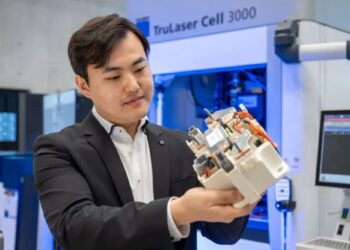
TRUMPF has introduced a laser-based hot forming solution designed to reduce component costs by up to 20% for manufacturers processing hot-formed parts used in safety-critical automotive body structures. The solution, unveiled at TRUMPF’s in-house INTECH exhibition in Ditzingen, combines a redesigned cutting nozzle, a new generation of fiber laser cutting technology, and established beam shaping to improve both process reliability and operating economics. By directly addressing rising energy prices, cutting gas costs, and unplanned production interruptions, the company positions the laser-based hot forming solution as a cost-focused upgrade for OEMs and tier suppliers.
How TRUMPF’s Laser Cutting Solution Delivers Cost and Process Gains
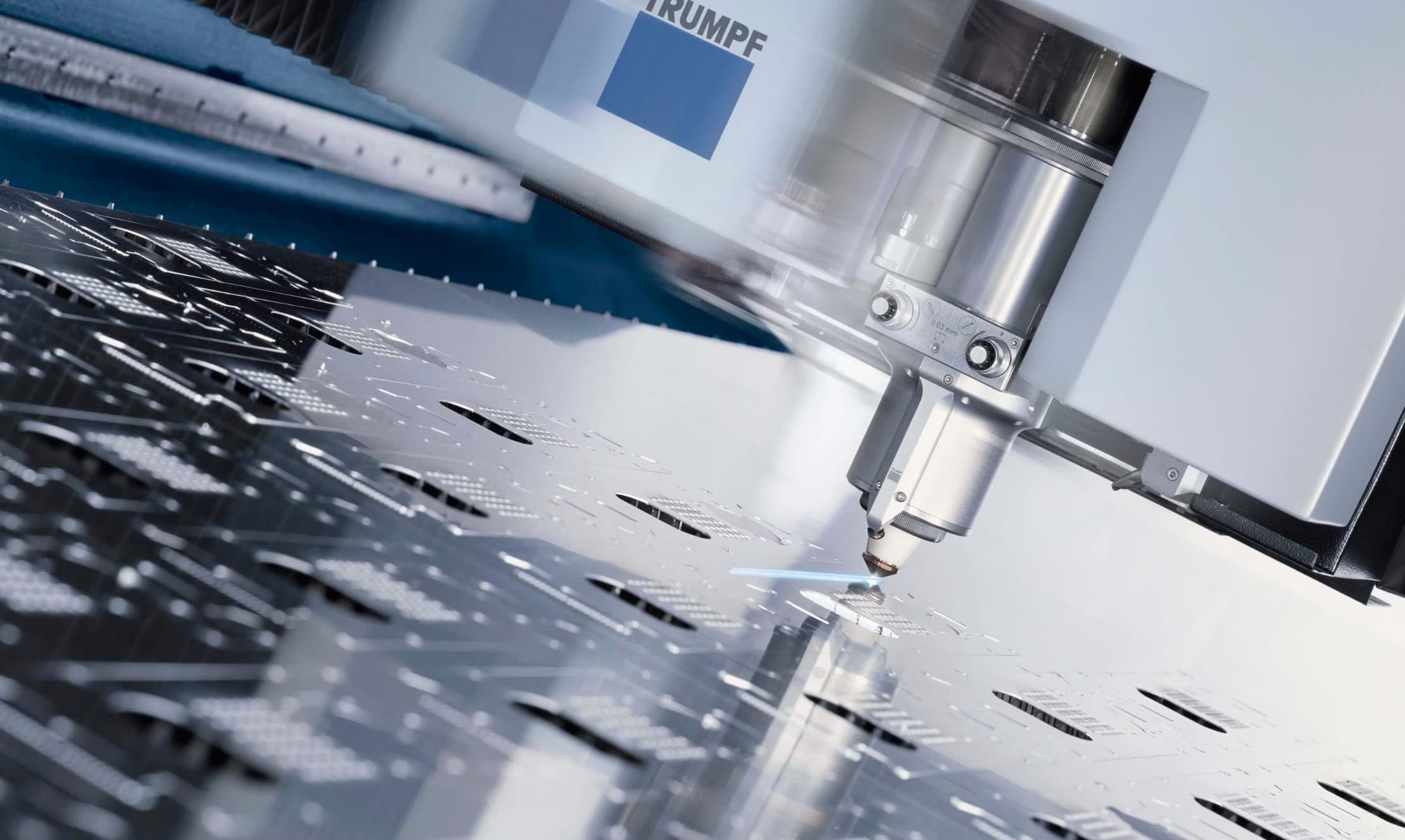
The development centers on a newly engineered cutting nozzle design that increases the stand-off distance between the nozzle and the sheet surface by several millimetres, significantly lowering the risk of collisions during laser cutting for hot-formed parts. In traditional setups, nozzle crashes can damage equipment, degrade cut quality, and trigger unplanned downtime, all of which inflate cost per part for automotive manufacturers. By improving clearance and robustness, TRUMPF aims to help users stabilize production while maintaining consistent edge quality in demanding hot forming applications.
Testing indicates the new cutting nozzle can operate continuously for more than three months without replacement, extending maintenance intervals far beyond earlier designs. This longer service life supports higher machine availability, fewer line stoppages, and more predictable maintenance planning, which is critical for high-volume automotive body structure manufacturing. The system is engineered to maintain stable performance even under variable production conditions or when programming accuracy is less than ideal, offering an additional buffer against day-to-day process variation.
A key economic lever of the laser-based hot forming solution is its ability to replace nitrogen with compressed air as the cutting gas, delivering up to 75% savings in cutting gas costs. Historically, compressed air cutting gas has often been viewed as less reliable for high-performance laser cutting, especially in continuous production. TRUMPF counters this perception by combining the X-Blast 2.0 nozzle with BrightLine Speed beam shaping, enabling compressed air cutting for hot-formed parts while preserving cut quality and throughput in continuous, high-output environments.
BrightLine Speed allows users to achieve higher cutting speeds at lower laser power levels, reducing specific energy consumption per component. When paired with TRUMPF’s new generation of fiber laser cutting technology, the system offers improved electrical efficiency alongside gas savings, targeting lower total cost of ownership for manufacturers. The solution is aimed at automotive suppliers who are under pressure to offset energy price volatility and material cost increases without compromising part quality.
Positioning Within Automotive Laser Processing and Hot Forming Trends
The launch of TRUMPF’s laser-based hot forming solution comes as automotive manufacturers intensify their use of hot-formed, high-strength steels in safety-critical vehicle structures. These materials enable lighter body designs with high crash performance, but they demand reliable and precise laser cutting for complex geometries after forming. As production volumes rise, even small improvements in nozzle life, cutting gas strategy, and energy efficiency can translate into substantial annual savings across global plants.
Industry observers note that the shift from nitrogen to compressed air cutting gas is gaining traction as manufacturers look for direct, measurable operating cost reductions without major process redesigns. TRUMPF’s integration of cutting nozzle design, BrightLine Speed beam shaping, and fiber lasers into a single package aligns with this trend by combining process optimization and energy-efficient laser processing. The move signals ongoing competition among laser cutting suppliers to deliver not only higher performance, but also tangible cost-per-part advantages for automotive and general fabrication customers.
TRUMPF’s Role in Global Laser and Machine Tool Markets
TRUMPF is recognized globally as a technology leader in machine tools and industrial laser systems, with a strong position in sheet metal processing and laser technology for automotive and other sectors. The company complements its hardware portfolio with software, platform, and consulting offerings that support digital integration of production processes. In the 2024/25 fiscal year, TRUMPF reported sales of €4.3 billion and employs over 18,000 people worldwide, operating approximately 90 subsidiaries across Europe, North America, South America, and Asia.
This footprint, supported by multiple production facilities, enables TRUMPF to roll out innovations such as the laser-based hot forming solution on a global scale. For manufacturers, this translates into local service, application support, and training around technologies like BrightLine Speed beam shaping and the X-Blast 2.0 nozzle. As automotive supply chains become more geographically diversified, such global support structures are increasingly important for adopting new laser cutting systems.
Industry Implications: What It Means for Manufacturers
For automotive OEMs and tier suppliers, TRUMPF’s laser-based hot forming solution offers a route to lower cost per part through longer nozzle life, compressed air cutting gas, and reduced energy consumption. The combination of X-Blast 2.0, BrightLine Speed beam shaping, and new fiber laser sources enables users to stabilize cutting performance while reducing operating expenses in high-volume hot forming lines. As safety-critical body structures continue to rely on hot-formed steels, investments in such laser cutting for hot-formed parts will likely form a key part of broader cost and efficiency strategies across global plants.