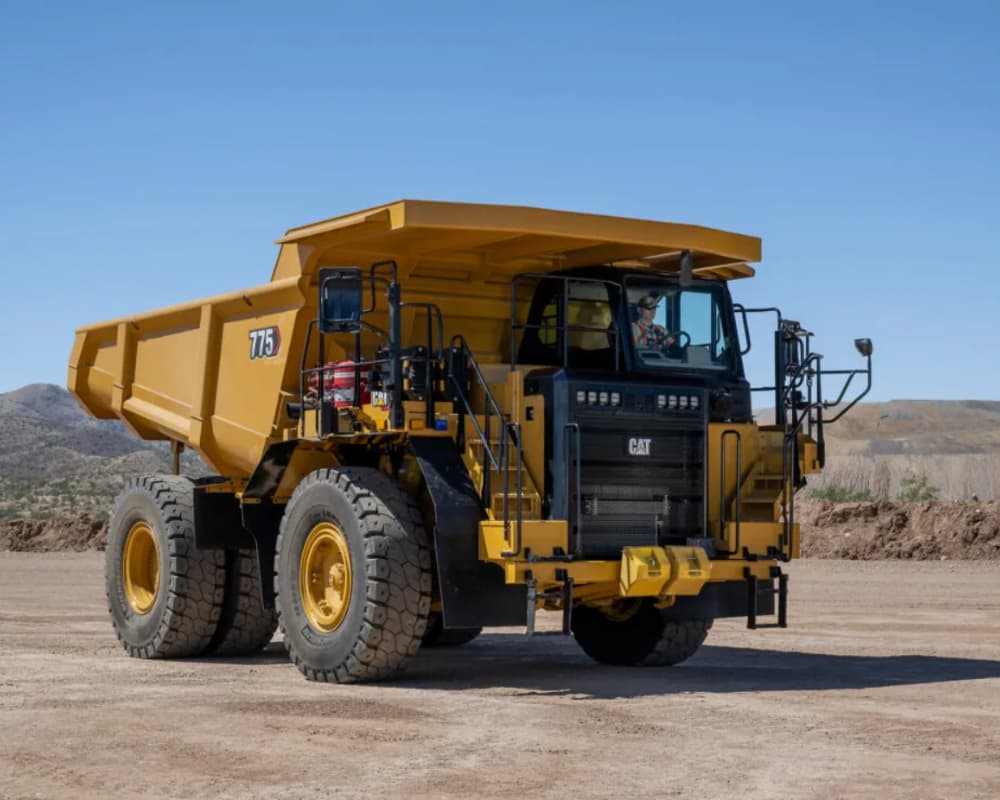
NVIDIA and Caterpillar are deepening their collaboration to accelerate the use of digital twins, edge computing and physical AI technologies aimed at optimizing factory production and enabling autonomous machinery. The expanded partnership focuses on deploying next-generation systems across Caterpillar’s construction, mining and power equipment operations worldwide.
Caterpillar said the initiative is designed to enhance manufacturing efficiency and machine intelligence as artificial intelligence moves beyond data analysis and increasingly shapes real-world, physical environments. Joe Creed, CEO of Caterpillar, emphasized the strategic importance of the collaboration as AI adoption accelerates across heavy industry.
“As AI moves beyond data to reshape the physical world, it is unlocking new opportunities for innovation,” Creed said. “Caterpillar is committed to solving our customers’ toughest challenges by leading with advanced technology in our machines and every aspect of business.”
At the core of the partnership is the use of NVIDIA’s Jetson Thor platform to support edge computing across Caterpillar’s equipment fleet. By enabling real-time data processing directly on machines, Caterpillar aims to create a digital nervous system for worksites, reducing dependence on centralized or remote data centers. According to the company, machines equipped with these systems can process billions of data points within milliseconds.
This edge-based approach is critical for autonomous and semi-autonomous operations, particularly in environments where latency can directly affect safety and productivity. Caterpillar said local data processing allows equipment to navigate dynamic and unpredictable jobsite conditions more effectively, while also addressing connectivity challenges in remote mining and construction locations. As a result, autonomous fleets can continue operating even in isolated environments with limited network infrastructure.
The collaboration also extends to digital twin technology, enabling Caterpillar to simulate, monitor and optimize factory production and machine performance. By combining digital replicas with real-time operational data, the company aims to improve decision-making, predictive maintenance and overall system efficiency across its manufacturing footprint.
In addition to automation and autonomy, the partnership targets workforce challenges through the integration of generative AI. New in-cab features include an AI-powered operator assistant that delivers real-time insights, safety alerts and performance guidance. The system is designed to provide coaching and productivity recommendations, helping operators manage complex tasks more efficiently while addressing ongoing skills shortages in the industrial workforce.
Caterpillar showcased these capabilities at CES 2026 in Las Vegas, where it introduced the Cat AI Assistant. The company said the solution demonstrates how AI can enhance human-machine collaboration, supporting operators rather than replacing them.
By combining NVIDIA’s AI and edge computing platforms with Caterpillar’s industrial expertise, the two companies aim to advance autonomous operations, improve manufacturing productivity and redefine how heavy equipment functions in increasingly data-driven industrial environments.