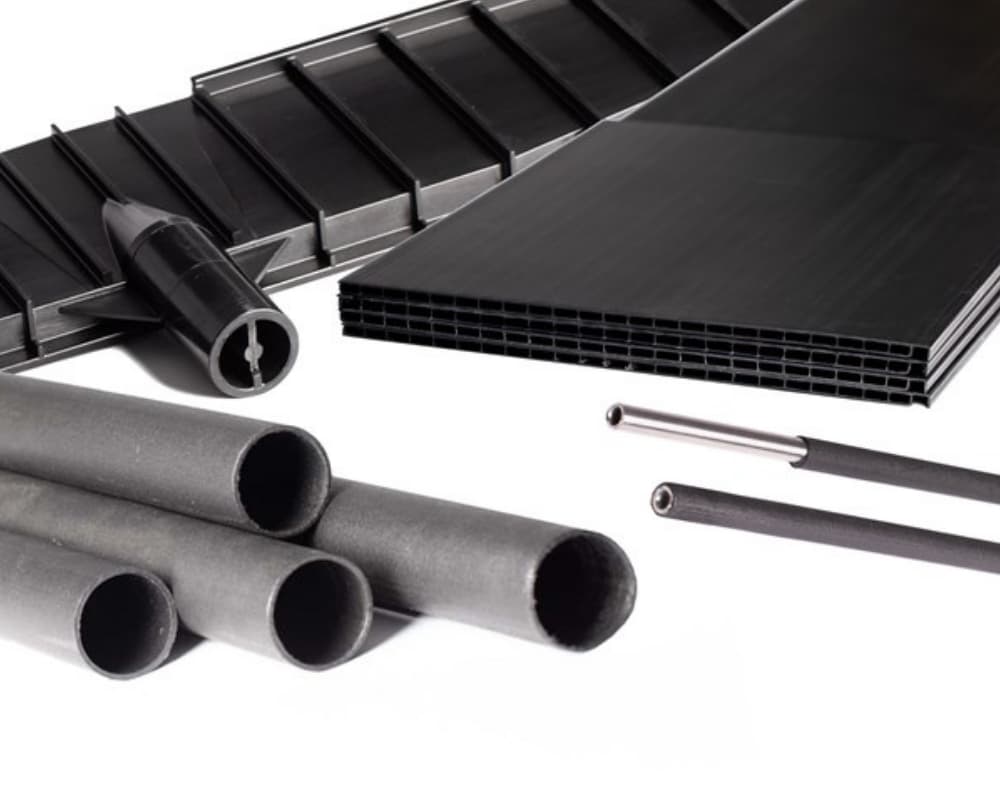
Advanced materials developer Sentherm has introduced conductive polymer solutions engineered to match up to 95% of aluminium’s thermal performance while reducing component weight by 25–45%, offering a compelling alternative for electric vehicles (EVs), battery systems and automotive electronics.
The company’s approach combines tailored filler networks, anisotropic material design and precise manufacturing process control to create hybrid polymers capable of delivering high thermal conductivity without the mass penalty associated with traditional metal components. By optimizing filler distribution and directional heat flow within the material structure, Sentherm has achieved near-aluminium heat dissipation performance in a significantly lighter format.
These materials are particularly relevant for EV platforms, where thermal management plays a critical role in battery safety, power electronics reliability and overall system efficiency. Reducing component weight directly contributes to improved vehicle range and energy efficiency, while maintaining robust thermal performance ensures consistent operation under demanding conditions.
In addition to weight savings, the conductive polymers offer greater design flexibility compared with aluminium, enabling more complex geometries and integration into compact electronic assemblies. The anisotropic design allows engineers to direct heat flow precisely where it is needed, enhancing system-level thermal control.
As automotive manufacturers accelerate electrification strategies, hybrid conductive polymers that balance performance, weight and manufacturability are emerging as strategic enablers. Sentherm’s development underscores the growing role of advanced composite materials in reshaping thermal management solutions across next-generation mobility and electronics applications.