For centuries, Istanbul has been a global nexus of culture, commerce, and history. But beneath its iconic skyline, a powerful industrial engine has been humming, making the city a key player in Turkey’s manufacturing sector. This engine is powered by the city’s diverse and dynamic machinery production hubs in Istanbul. These hubs are not just collections of factories; they are intricate ecosystems of innovation, supply chains, and specialized expertise. So, where exactly do these industrial hubs thrive, what makes them so unique, and what opportunities do they offer for B2B professionals? This article provides a definitive, data-driven analysis of Istanbul’s role in the machinery sector, offering a strategic roadmap for anyone looking to understand this industrial powerhouse.
Why It Matters: A Strategic Nexus for Global Trade
Istanbul’s significance in the machinery sector goes beyond its sheer size. The city’s strategic location at the crossroads of Europe and Asia provides unparalleled logistical and commercial advantages. Its proximity to major ports and international airports makes it an ideal center for both imports and exports. Furthermore, Istanbul’s financial and commercial might has attracted a skilled workforce and a robust network of suppliers, creating a self-sustaining industrial ecosystem. This unique combination makes Istanbul’s machinery production hubs a vital component of Turkey’s industrial backbone and a gateway to the global market.
In-Depth Analysis: The Key Machinery Production Hubs in Istanbul
Istanbul’s machinery production is concentrated in several key organized industrial zones (OIZs) and industrial sites. Each of these hubs has developed its own unique specialization, creating a rich and diverse industrial landscape.
1. Ikitelli Organized Industrial Zone (OIZ): The SME Powerhouse
Ikitelli OIZ is one of the largest industrial zones in Turkey and a true cornerstone of Istanbul’s machinery sector. It is a dense network of thousands of small and medium-sized enterprises (SMEs) that have created a powerful and flexible ecosystem.
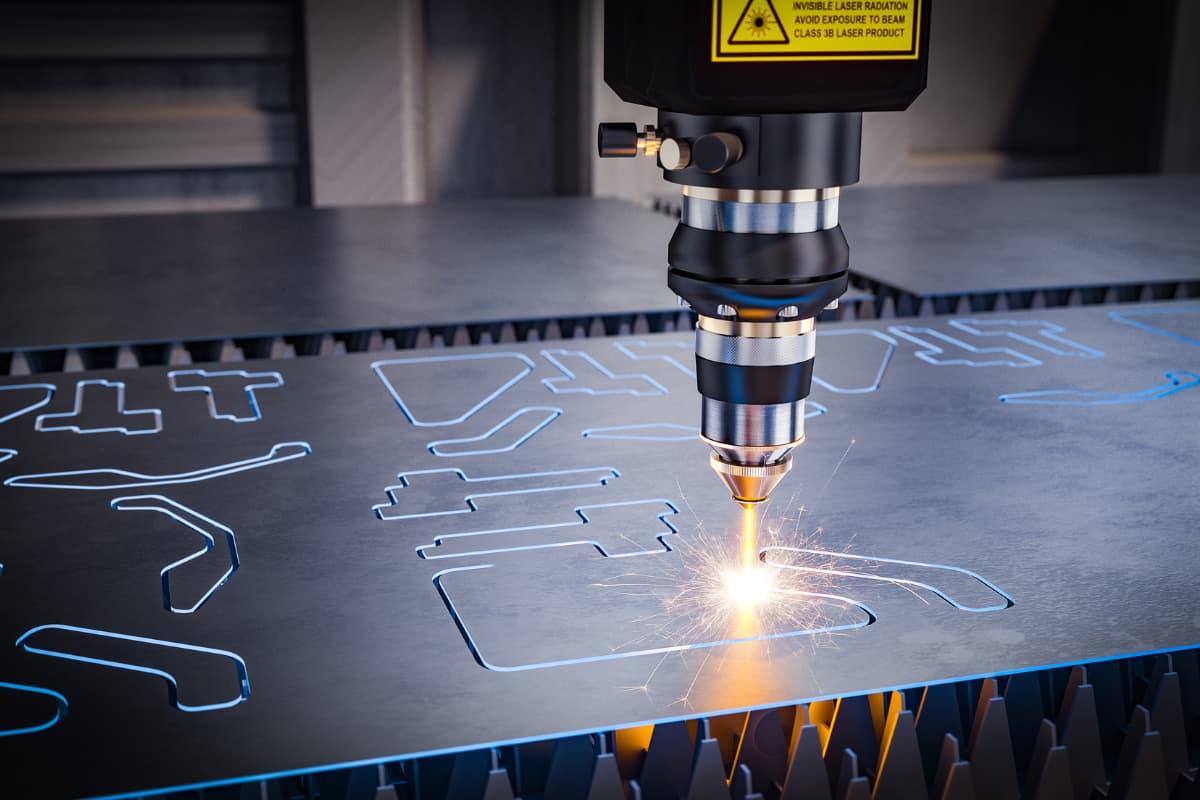
- Specialization: Ikitelli is a powerhouse in a wide range of sub-sectors, including metalworking, mold production, and general-purpose machinery. Its strength lies in its ability to produce a diverse range of components and machines, from complex CNC parts to industrial presses.
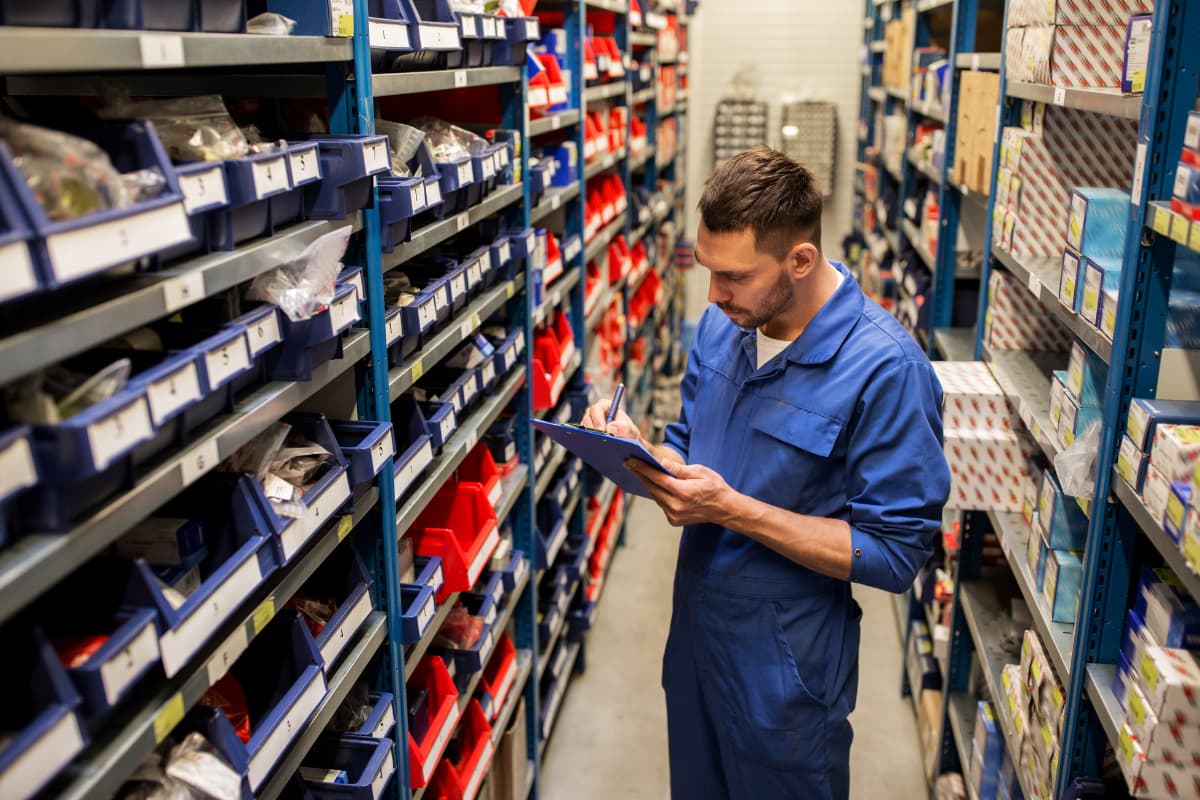
- The Key to Success: The zone’s greatest asset is its internal supply chain. A machinery manufacturer in Ikitelli can easily source raw materials, specialized parts, and services from other firms within the same zone. This proximity reduces costs and accelerates production cycles.
- Case Study: A small firm in Ikitelli specializing in spare parts for heavy machinery leveraged the zone’s network to partner with a larger manufacturer, allowing them to produce high-quality components that they would not have been able to make on their own.
2. Tuzla Sanayi Bölgesi: The Hub for Heavy and High-Tech Industries
Located on the Anatolian side of Istanbul, Tuzla is a hub for heavy industry and high-tech manufacturing, particularly for the shipbuilding and defense sectors.
- Specialization: Tuzla’s machinery manufacturers are known for producing large, complex, and high-value-added equipment. This includes pressure vessels, industrial boilers, pumps, compressors, and specialized machinery for the marine and offshore industries.
- The Key to Success: Tuzla’s proximity to major ports provides a significant logistical advantage for exporting large and heavy machinery. The region also benefits from a strong engineering talent pool and a focus on R&D, making it an ideal location for firms that require advanced technical expertise.
- Example: A manufacturer in Tuzla specializing in hydraulic systems for the marine industry has become a key supplier to shipyards and offshore service providers, leveraging its strategic location and advanced engineering capabilities.
3. Dudullu Sanayi Bölgesi: A Center for Automation and Precision
Dudullu, another key industrial zone on the Anatolian side, is a center for technology and automation. It is home to a number of firms that are at the forefront of the digital transformation of the machinery sector.
- Specialization: Dudullu’s machinery manufacturers specialize in producing robotics, packaging machinery, food processing equipment, and specialized automation solutions.
- The Key to Success: The zone’s close proximity to technology parks and a large number of IT firms allows for a unique synergy between hardware and software. This enables local machinery manufacturers to develop machines that are equipped with advanced digital controls, AI, and IoT sensors.
- Example: A firm in Dudullu specializing in packaging machinery developed a new product that uses AI-powered vision systems to detect and remove defective products from the production line, significantly increasing efficiency and quality control for its customers.
Actionable Tips: Capitalizing on Istanbul’s Industrial Power
For B2B professionals, understanding and leveraging Istanbul’s machinery production hubs is crucial for success.
1. For Buyers and Importers
- Target Niche Expertise: When sourcing specific types of machinery, it is strategic to target the hub with the most expertise. For example, for a general-purpose CNC machine, Ikitelli is a key hub. For specialized marine equipment, Tuzla is the place to look.
- Leverage the Ecosystem: Istanbul’s interconnected supply chain can provide a significant advantage. Look for a partner who can provide not just the final product but also a complete, end-to-end solution.
- Verify Quality and Certifications: Despite the focus on cost and efficiency, Istanbul-based manufacturers are committed to meeting international quality standards. Always verify that your partner has the necessary ISO and CE certifications.
2. For Manufacturers and Suppliers
- Invest in R&D: The only way to compete with global brands is through innovation. Focus on developing high-value-added machines that integrate technologies like AI and IoT.
- Strengthen Your Local Network: Istanbul’s strength is its ecosystem. Actively partner with other local firms to create a robust and resilient supply chain.
- Utilize Logistical Advantages: Leverage Istanbul’s proximity to major ports and international markets to reduce costs and improve delivery times for your international customers.
Common Mistakes & How to Avoid Them
The path to success in Istanbul’s machinery sector is not without its challenges. Avoid these common mistakes:
- Ignoring the “Piecemeal” Advantage: Don’t assume that only large, integrated factories can produce high-quality machines. Istanbul’s SMEs often work in highly specialized clusters, with a high degree of craftsmanship and expertise.
- Neglecting After-Sales Support: A machine sale is the beginning, not the end. A lack of reliable after-sales support can destroy a brand’s reputation and lead to costly downtime for the customer.
- Underestimating Competition: Istanbul is a highly competitive market. A failure to invest in technology, branding, and a clear value proposition will make it impossible to stand out.
Future Trends and Predictions for Istanbul’s Machinery Sector
The future of machinery production hubs in Istanbul will be shaped by a few key trends.
- Sustained Digitalization: The integration of AI, IoT, and robotics will continue to grow, making Istanbul’s machines not only powerful but also intelligent.
- Green Transition: The global push for sustainability will make energy-efficient and eco-friendly machinery a top priority for buyers. Manufacturers in Istanbul are already adapting to this trend by developing new, greener solutions.
- Nearshoring Advantage: Istanbul’s strategic location and reliable manufacturing base will make it an increasingly attractive alternative to international suppliers, particularly for European firms seeking to reduce their supply chain risks.
Istanbul’s machinery production hubs are more than just a testament to a city’s industrial past; they are a blueprint for its future. The city’s unique blend of a strong SME base, technological innovation, and strategic logistical advantages has made it a global industrial powerhouse. By leveraging these strengths and embracing new technologies, Istanbul’s machinery sector is not just building machines; it is building a legacy of technological excellence that is setting new standards on the global stage.