Every single nut, bolt, and component of a car has a story, a journey that begins on the factory floor long before it ever hits the road. In the automotive sector, where precision and speed are paramount, the heart of this journey lies in the automotive sub-industry and machinery manufacturing. In Turkey, this heart beats strongest in Bursa. Once known for its silk, the city has transformed into a global industrial powerhouse, home to major car manufacturers and a vast ecosystem of suppliers that feed the entire industry. So, how did this transformation happen? How does Bursa maintain its leadership, and what future trends are shaping its next chapter? This article is more than just a city guide; it’s a deep, data-driven analysis of Bursa’s role in the automotive sub-industry and machinery manufacturing sector, offering a strategic roadmap for professionals seeking to understand its power and potential.
Why It Matters: A Nation’s Economic Locomotive
The automotive sector is a powerhouse of the Turkish economy. According to the Automotive Industry Association (OSD), the sector as a whole exported a record-breaking $37.2 billion in 2024, with a target of $39 billion in 2025. Bursa’s contribution to this success is immense. In 2024, the city produced 434 thousand automobiles and accounted for over 40% of Turkey’s total automobile exports. This success is directly tied to the city’s robust automotive sub-industry and machinery manufacturing base. A strong sub-industry provides the necessary parts, while local machinery manufacturers produce the high-tech equipment needed to maintain efficiency and quality. This synergy is a powerful engine of economic growth, driving innovation, employment, and exports. .
In-Depth Analysis: The Ecosystem of Success in Bursa
Bursa’s leadership in the automotive sub-industry and machinery manufacturing is built on a foundation of several key strengths.
1. A Powerful Supply Chain and Sub-Industry
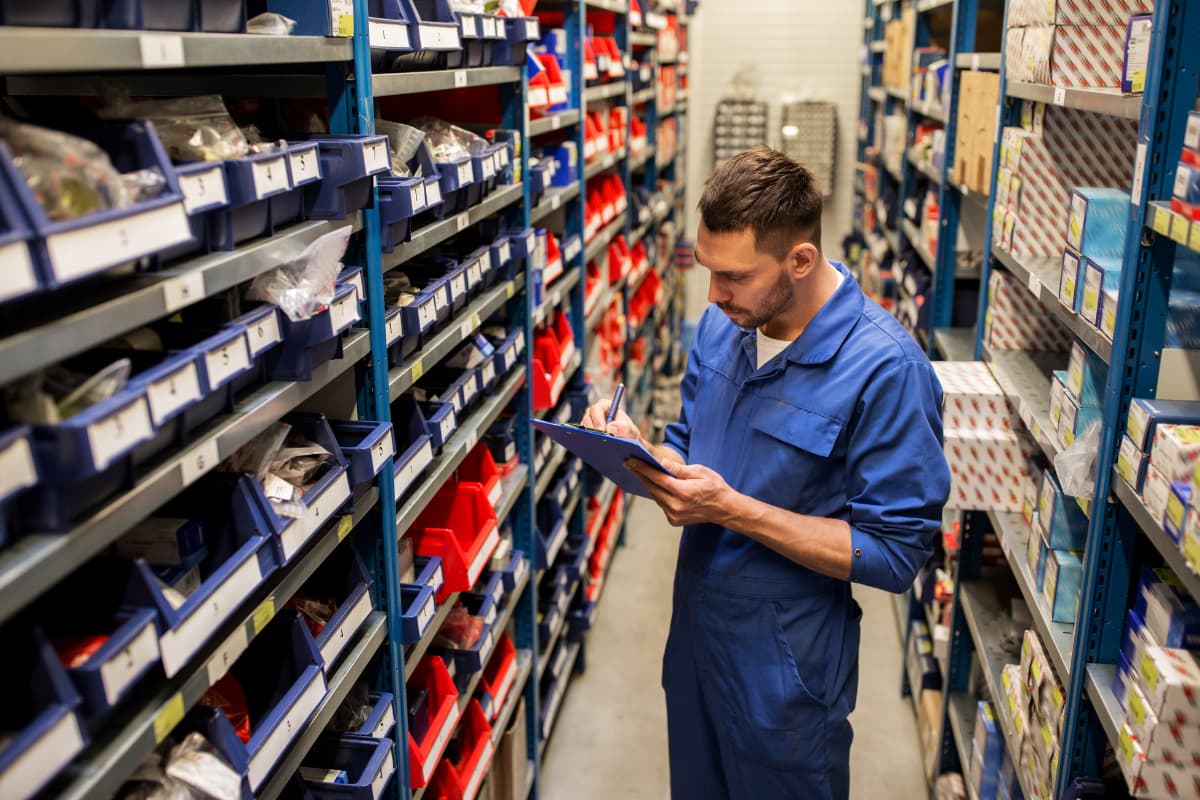
Bursa’s automotive ecosystem is a complex and highly integrated network of companies. It is home to major global Original Equipment Manufacturers (OEMs) like OYAK Renault and TOFAŞ, and a massive network of over 1,500 sub-industry firms that supply them.
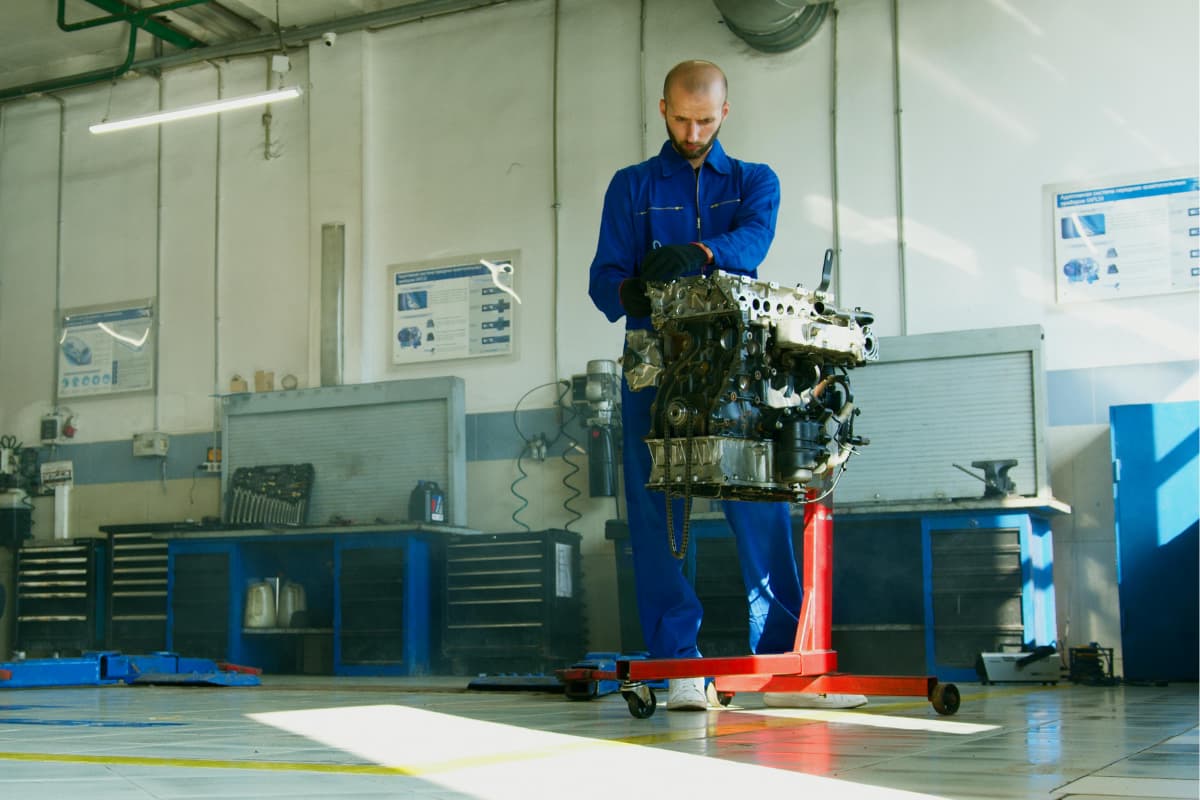
- Specialization: The sub-industry in Bursa is a leader in producing a diverse range of components, including engine parts, chassis components, plastic parts, and electronics. The high localization rate in the sector—with OEMs sourcing between 50% and 70% of their parts locally—is a testament to the strength and reliability of this supply chain.
- Global Recognition: The Bursa-based sub-industry is not just a local player. Many of its firms are Tier 1 and Tier 2 suppliers for major global brands, exporting components to over 190 countries. In 2024, the supply industry’s exports reached $14.9 billion, a 5.18% increase from the previous year, with Germany being the largest market.
2. Machinery Manufacturing: The Technology Partner
The success of the automotive sub-industry is deeply intertwined with the strength of Bursa’s machinery manufacturing sector.
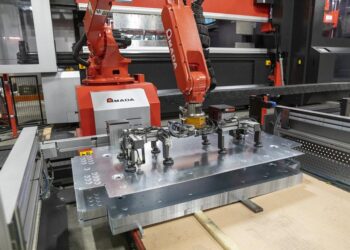
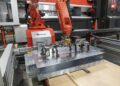
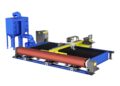
- Key Products: Local machinery manufacturers specialize in producing high-precision CNC machines, injection molds, pressing machines, robotic welding systems, and custom-built assembly lines. These machines are designed to meet the stringent quality, precision, and speed requirements of the automotive sector.
- R&D and Innovation: Bursa’s machinery manufacturers are at the forefront of the industry’s technological transformation. Companies are investing in R&D centers to develop new-generation machines that are compatible with Industry 4.0 and the coming era of electric vehicles (EVs). One company, Orjin Automotive, is collaborating with Bursa Technical University to develop new machinery and processes, demonstrating a strong link between industry and academia.
- Case Study: A Bursa-based company, Vamer Automotive, specializes in producing high-precision parts for the automotive, hydraulic, and agricultural industries. Its “wide and alternative machine park” and commitment to continuous improvement are key to meeting the on-time delivery and high-quality demands of its customers.
3. A Strong Ecosystem of Support and Collaboration
Bursa’s industrial success is also a result of a strong ecosystem of support and collaboration.
- Organized Industrial Zones: The city’s organized industrial zones (OIZs) provide modern infrastructure and a supportive environment for businesses.
- Academic-Industrial Linkages: Institutions like Uludağ University and Bursa Technical University provide a steady stream of highly skilled engineers and technicians, while technology parks and R&D centers serve as incubators for innovation.
Actionable Tips: A Roadmap for Success
For professionals in Bursa’s automotive sub-industry and machinery manufacturing sector, here is a clear roadmap for capitalizing on these trends.
1. For Sub-Industry Firms
- Invest in Technology: The push for electric vehicles and autonomous driving will require new technologies. Invest in R&D to develop components for EVs, from battery parts to new materials.
- Strengthen Global Connections: Don’t just rely on local OEMs. Diversify your customer base by exporting directly to major global automotive players.
2. For Machinery Manufacturers
- Specialize in High-Value-Added Solutions: The future is in high-precision, high-tech machines. Focus on developing CNC machines, molds, and automation systems for the EV sector.
- Emphasize Your Local Advantage: Market your key strengths: the ability to provide fast, on-site service, readily available spare parts, and a high degree of customization—all of which are often a challenge for international suppliers.
3. For Importers and Buyers
- Evaluate Local Alternatives: Before you import, thoroughly evaluate local manufacturers. Bursa’s firms may offer a better blend of technology, quality, and after-sales support than their international counterparts.
- Conduct a TCO Analysis: Look beyond the initial purchase price. Factor in long-term costs like energy consumption, maintenance, and the cost of potential downtime.
Common Mistakes & How to Avoid Them
The road to success is not without its pitfalls. Avoid these common mistakes:
- Failing to Adapt to New Technologies: The automotive sector is undergoing a rapid transition to EVs. A failure to invest in these new technologies will lead to a loss of competitiveness.
- Neglecting After-Sales Support: A machine sale is the beginning, not the end. A lack of reliable after-sales support can destroy a brand’s reputation and lead to costly downtime for the customer.
- Underestimating Local Competition: Do not assume that local manufacturers are behind the curve. Turkish companies are rapidly adopting Industry 4.0 and sustainable technologies, often offering more tailored and agile solutions.
Future Trends and Predictions for Bursa
The future of Bursa’s automotive sub-industry and machinery manufacturing will be shaped by a few key trends.
- The EV Transition: The push for electric vehicles will create a new wave of demand for specialized machinery for battery production, lightweight material processing, and new assembly lines.
- Sustained Digitalization: The integration of AI, IoT, and robotics will continue to grow, making production processes more efficient and flexible.
- Nearshoring Advantage: The trend of global companies prioritizing geographically closer and more reliable suppliers will continue. Bursa, with its strong supply chain and strategic location, will become an even more attractive hub for European OEMs.
Bursa’s strength in the automotive sub-industry and machinery manufacturing is a powerful story of a city’s industrial rise. It is a testament to a strategic vision that has blended a deep-rooted manufacturing culture with a keen eye for innovation and global trends. By continuing to invest in technology, nurture a skilled workforce, and strengthen its global partnerships, Bursa is not just building cars; it is building the future of mobility.