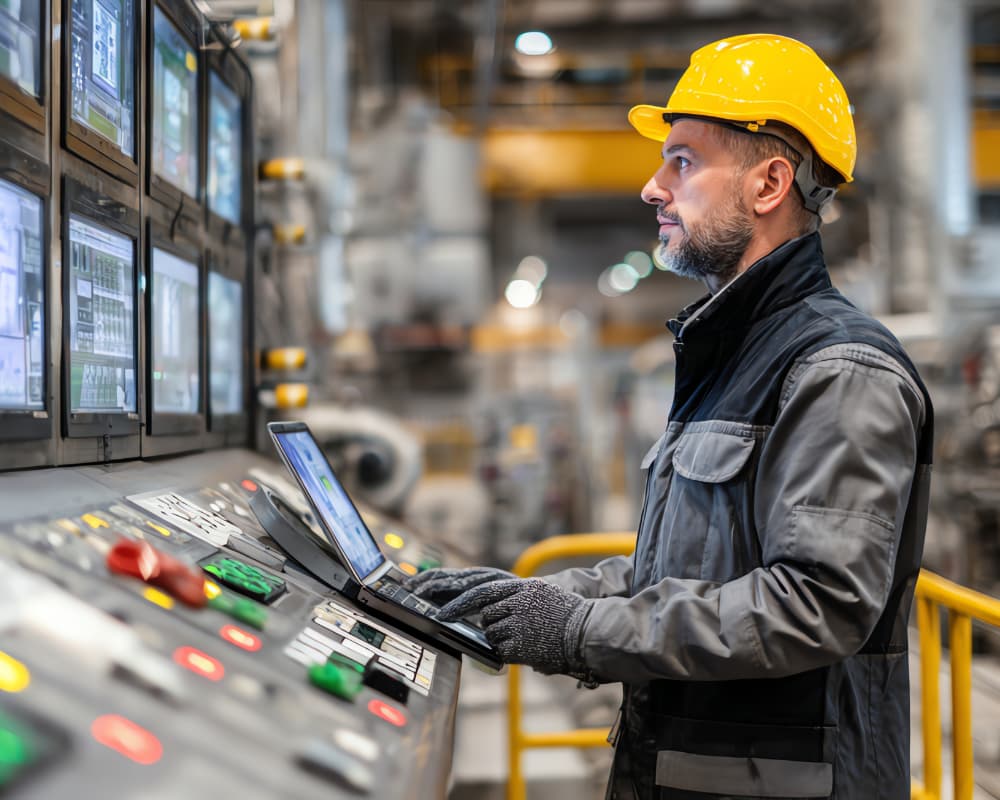
The push for industrial sustainability has made energy-efficient machinery a cornerstone of modern manufacturing. As industries face mounting pressure from regulators, consumers, and investors to adopt green manufacturing practices, optimizing energy consumption within production lines has become a strategic necessity. Investing in advanced, sustainable industrial machines not only cuts costs but also decisively reduces a company’s environmental impact, defining the path toward true eco-friendly production. This article highlights the importance of energy efficiency and details the specific design innovations driving this critical shift.
The Importance of Energy Efficiency in Industry
Focusing on energy efficiency delivers compelling benefits that extend across both the balance sheet and environmental responsibility.
Reducing Operational Costs
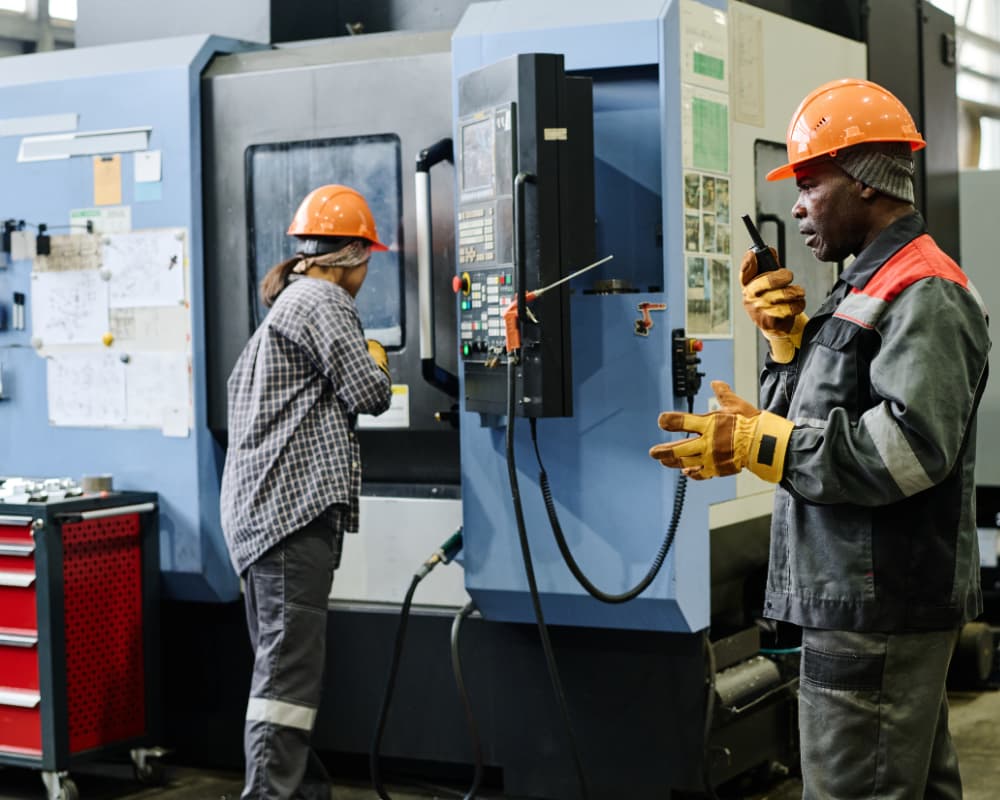
In most industrial settings, energy—particularly electricity—is a primary, recurring operational expense. Upgrading to energy-efficient machinery directly translates into lower utility bills. Modern systems consume less power to perform the same amount of work, providing a fast Return on Investment (ROI). Furthermore, reduced energy demand can alleviate peak load charges, which are often the most costly components of industrial tariffs. This financial incentive makes efficiency a key driver for business competitiveness.
Environmental Impact and Carbon Footprint
Manufacturing is a major contributor to global greenhouse gas (GHG) emissions. By demanding and deploying sustainable industrial machines, companies actively work to reduce their carbon footprint. When a machine consumes less energy, the required output from power generation (often fossil fuels) decreases, leading to a corresponding drop in $\text{CO}_2$ emissions. This commitment to reducing environmental impact satisfies industrial sustainability goals and aligns with broader societal expectations for green manufacturing.
Key Energy-Efficient Machinery Designs
The core of energy-efficient machinery innovation lies in fundamental design changes aimed at minimizing wasted power.
Low-Power Motors and Drives
Electric motors are the workhorses of industry, consuming a vast majority of a plant’s electricity. The key innovations here include:
- High-Efficiency Motors: Replacing older standard motors with IE3 (Premium Efficiency) or IE4 (Super Premium Efficiency) motors. These designs use superior materials and geometric tolerances to minimize energy loss from heat and friction.
- Variable Frequency Drives (VFDs): VFDs, or Variable Speed Drives (VSDs), allow the motor speed to be precisely matched to the load requirement, unlike older systems that ran constantly at full speed. This dynamic control can result in energy savings of up to 50% in pump, fan, and compressor applications.
Advanced Cooling and Lubrication Systems
Friction and heat are major sources of energy waste in industrial machines.
- Smart Cooling Systems: Replacing centralized, constantly-running cooling pumps with localized, on-demand cooling systems that only activate when specific machine components reach a threshold temperature. This targeted approach is far more energy-efficient.
- Minimal Quantity Lubrication (MQL): Traditional flood lubrication wastes energy in cooling, filtering, and pumping large volumes of oil. MQL uses air pressure to atomize and precisely deliver a minimal amount of lubricant directly to the cutting zone, reducing fluid consumption, cutting down on disposal costs, and requiring less power for cooling/pumping. This aligns perfectly with eco-friendly production.

Case Studies
The practical application of energy-efficient machinery shows dramatic results across sectors.
Automotive Industry Applications
The automotive sector, with its high-volume, automated production lines, offers clear examples:
- Integrated Servo Presses: Traditional hydraulic stamping presses consume massive amounts of energy, even when idle. Modern servo-electric presses use specialized motors and drives to capture braking energy and store it, dramatically reducing overall power consumption and proving a powerful example of sustainable industrial machines.
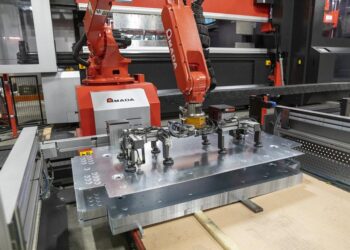
- Lightweight Robotics: Newer robotic systems use lighter materials and optimized arm geometries, allowing them to perform tasks with smaller, less powerful (and thus more efficient) motors.
Heavy Machinery and Manufacturing Plants
In environments like cement, steel, or large-scale food processing plants:
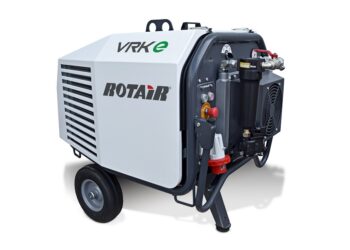
- Compressor Optimization: Industrial air compressors are notorious energy hogs. Plants utilize centralized, master-controlled compressor systems linked with VFDs to ensure compressors only run to meet actual demand, avoiding energy-intensive pressure swings and idling.
- Process Heat Recovery: Implementing heat exchangers to capture waste heat generated by kilns, furnaces, or exhaust and using it to pre-heat incoming process air or water, reducing the energy needed from external sources.
Measuring and Improving Energy Efficiency
Effective industrial sustainability requires diligent measurement and compliance.
KPIs and Performance Metrics
Manufacturers use specific Key Performance Indicators (KPIs) to track and optimize energy use:
- Specific Energy Consumption (SEC): This is the most critical metric, often measured as $\text{kWh}$ or $\text{MJ}$ per unit of production (e.g., $\text{kWh/ton}$ of steel). Tracking SEC allows management to compare the energy performance of different lines and monitor improvement over time.
- Power Factor (PF): Maintaining a high Power Factor ensures electrical energy is used efficiently, reducing utility penalties and wasted electricity within the plant’s distribution system.
ISO and Sustainability Certifications
Adopting recognized standards provides accountability and market credibility:
- ISO 50001: This international standard specifies requirements for establishing, implementing, maintaining, and improving an Energy Management System (EnMS). It helps organizations track consumption, set efficiency goals, and systematically implement savings measures, which is central to green manufacturing.
- ISO 14001: The standard for Environmental Management Systems, which often includes energy reduction goals as a core component of overall industrial sustainability.
Future Trends
The next wave of innovation combines digital technology with energy-efficient machinery design.
Smart Energy Management Systems
The future involves comprehensive, AI-driven Smart Energy Management Systems. These systems use IoT sensors on every machine (motor, pump, press) to collect real-time energy data. AI algorithms then analyze this massive dataset to:
- Predict Load Requirements: Anticipate production needs and automatically manage VFDs and power distribution.
- Identify Anomalies: Flag machine components that suddenly start drawing excess power, indicating friction, wear, or impending failure, allowing for preventative maintenance.
Integration with Industry 4.0/5.0 Technologies
Industry 4.0 and 5.0 Integration provides the framework for maximum efficiency.
- Digital Twin Simulation: Virtual models of entire factories (Digital Twins) are used to test production schedules and machine setups, optimizing for minimal energy use before changes are implemented on the physical floor.
- Decentralized Power: Integrating distributed energy resources (like solar/wind) with smart storage and optimized machine schedules to maximize the consumption of self-generated, renewable energy. This is the ultimate goal of eco-friendly production and sustainable industrial machines.
By adopting these energy-efficient machinery designs and smart management practices, manufacturers can realize substantial cost savings while demonstrating genuine commitment to industrial sustainability.