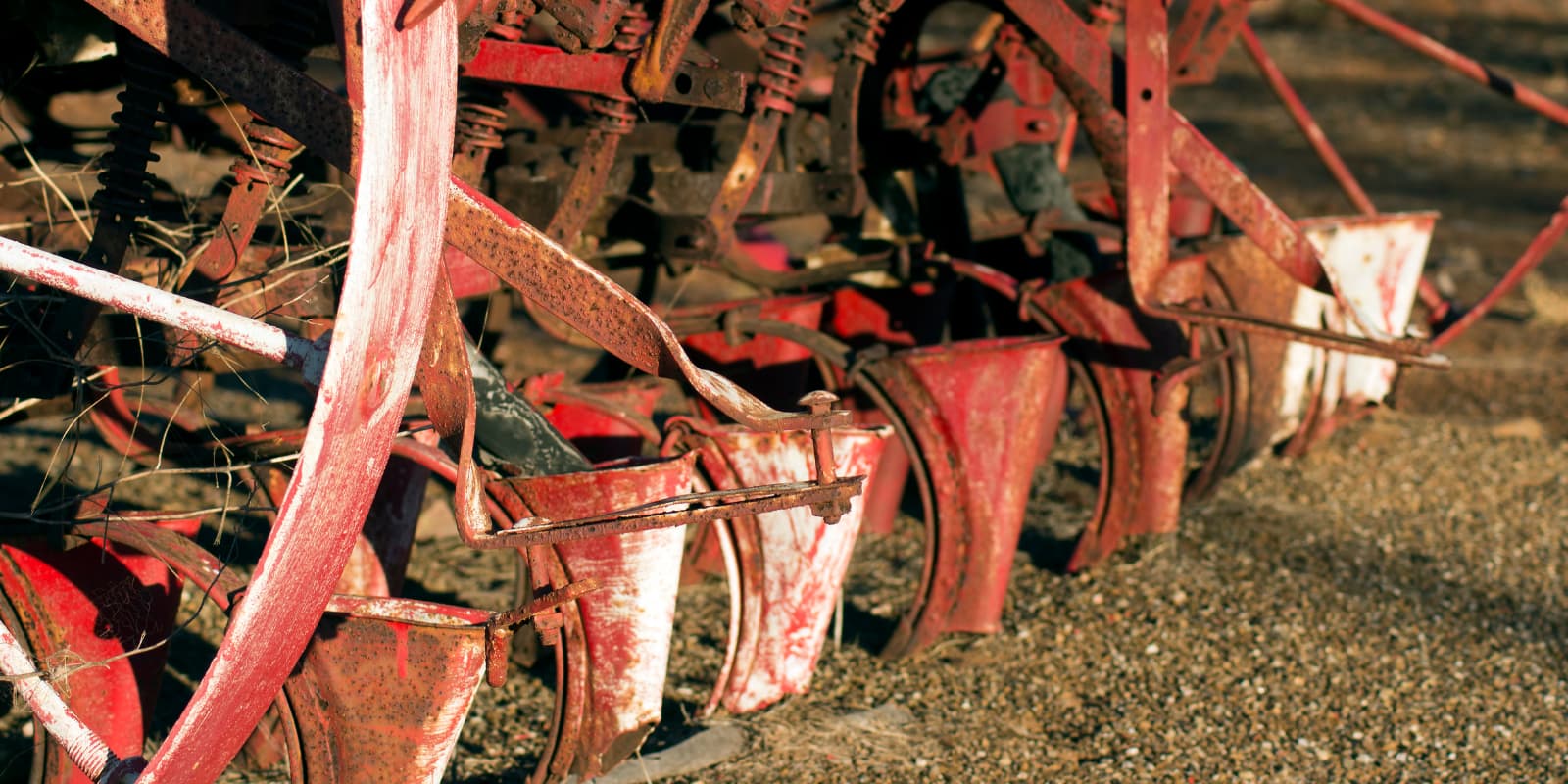
Rising prices and shrinking profit margins are forcing farmers to reconsider how they invest in agricultural machinery, according to agricultural economists monitoring the sector. With limited cash flow and increasing financial pressure, traditional equipment upgrades are becoming harder to justify for many producers.
High-capacity machinery now represents a major capital burden on farms. The cost of large harvesters, including cotton pickers and combines, has surged to levels that can exceed seven figures. This reality is especially challenging given that such equipment is often used only a few hundred hours per year, raising questions about efficiency and return on investment relative to the acreage farmed.
Industry observers suggest that the current model of individual ownership may no longer be sustainable for a large portion of producers. Alternative approaches, such as seasonal equipment rentals, shared ownership models, or more flexible dealer-led solutions, are increasingly being discussed as potential ways to reduce financial strain while maintaining productivity.
While earlier trade-ins can help protect machinery value, economists note that the most financially sound strategy remains purchasing equipment when sufficient cash reserves are available. As costs continue to rise, the farm machinery sector may be heading toward a structural shift in how equipment is financed, accessed, and utilized across the industry.