The global postal automation systems market has entered a strong growth trend driven by the rapid growth of e-commerce and the increasing need for efficiency in logistics. According to analyses, the market is expected to reach approximately $25.27 billion by 2031, up from around $11.3 billion in 2026.
This growth is driven primarily by the increase in cross-border e-commerce volume, expectations for faster delivery, and the modernization of postal infrastructure. Rising labor costs are also driving companies towards automation investments, with intelligent sorting systems and robotic solutions becoming standard in the sector.
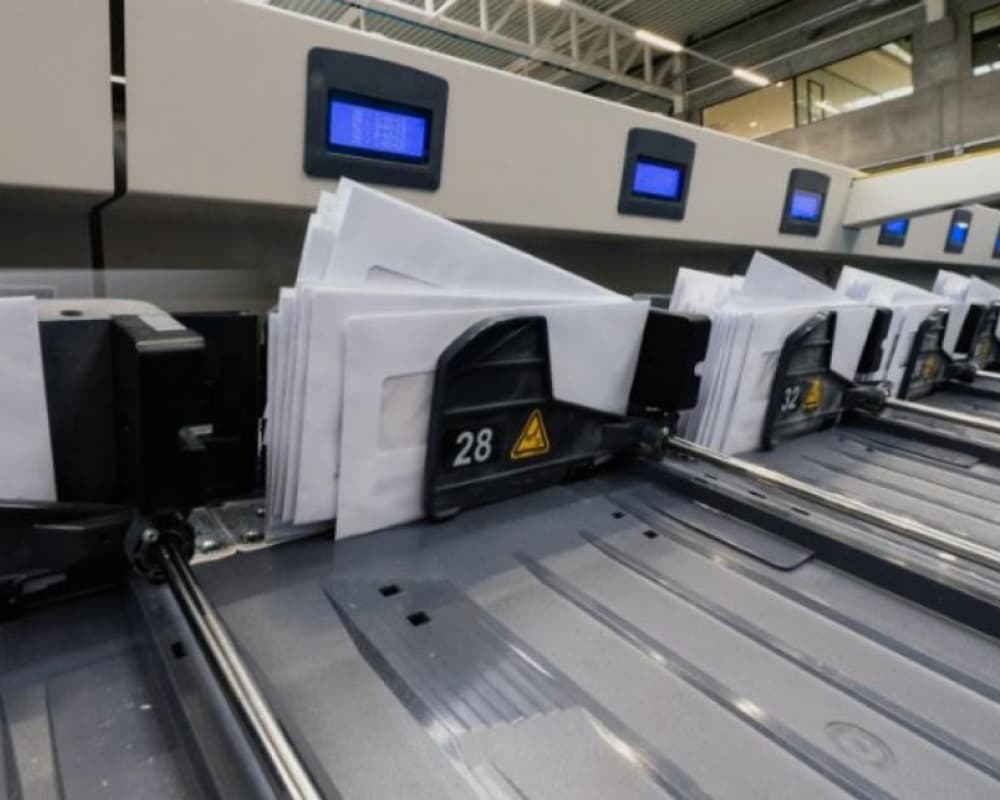
Postal automation systems increase operational efficiency by optimizing processes such as sorting letters and packages, barcode scanning, data analysis, and distribution. These systems play a critical role, especially for cargo and logistics companies that want to manage high-volume shipping traffic.
The transformation in the sector not only provides speed and cost advantages but also improves customer experience by increasing accuracy rates. Experts believe that with the increasing integration of artificial intelligence and robotics in the coming period, more autonomous and intelligent systems will become widespread in postal and cargo operations.