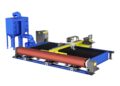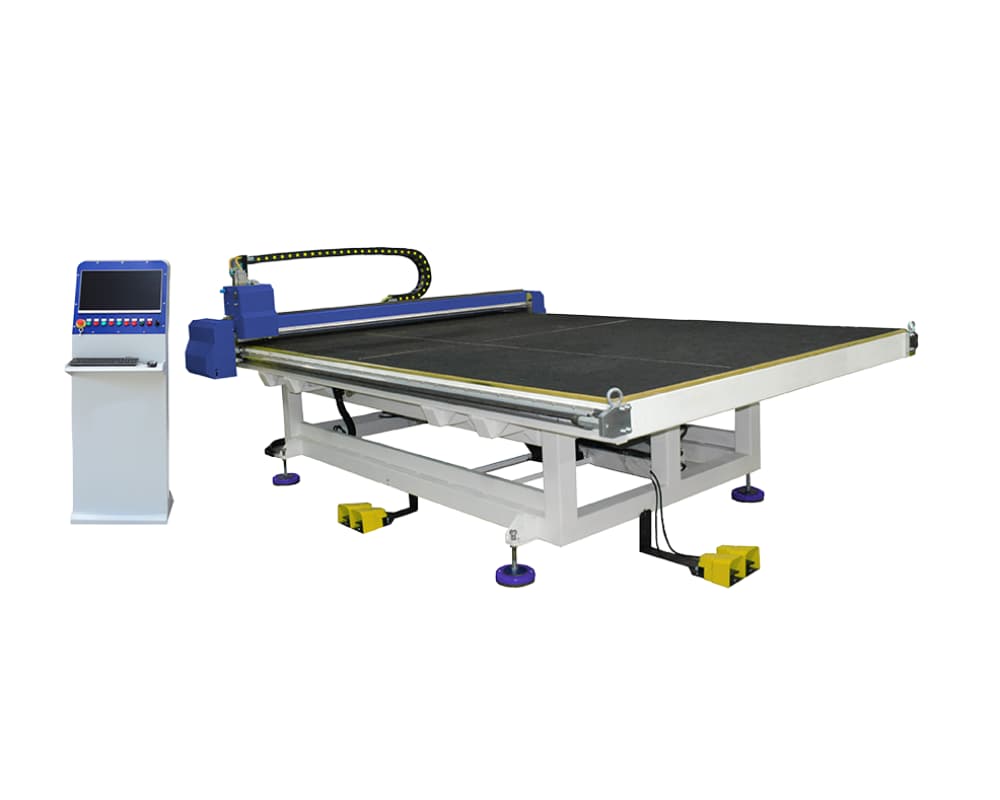
According to the latest analysis by IndexBox, the global glass cutting machine market is expected to expand steadily through 2035, driven primarily by rising demand from solar energy and automotive sectors alongside broader growth in construction and industrial manufacturing. The market’s trajectory reflects a shift from traditional tool‑oriented use toward more solutions‑focused, automated systems that improve precision and material efficiency.
The baseline forecast for the period from 2026 to 2035 shows the glass cutting machine market gaining strength as capital expenditure in key end‑use industries continues to rise. The solar photovoltaic industry, in particular, is increasing the need for ultra‑thin, high‑transparency glass components used in solar panels, pushing glass processors to adopt advanced cutting technologies. At the same time, the automotive industry’s transition to electric vehicles and more complex glazing requirements for windshields, panoramic roofs, and heads‑up displays is creating new demand for precision cutting machinery with tight tolerances.
Automation and digital integration are further shaping the market. Manufacturers are increasingly implementing AI‑driven systems and IoT‑enabled monitoring to reduce waste, improve accuracy, and support real‑time process control traits that are particularly valued in high‑volume production environments where consistency and speed are critical. Beyond solar and automotive, the construction industry’s use of glass in facades and energy‑efficient buildings also supports healthy long‑term demand.
Regionally, the Asia‑Pacific market remains a focal point, with China and other developing economies driving growth through urbanization and infrastructure projects that require high volumes of processed glass. North America and Europe also contribute to demand via advanced automotive manufacturing and green building initiatives, which emphasize high‑performance glass applications.
Overall, the glass cutting machine market is positioned for continued expansion through the next decade, bolstered by structural demand from renewable energy deployment and evolving automotive and construction trends. Investments in automation, precision technology, and flexible production solutions are expected to be key differentiators in this evolving industrial landscape.