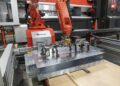
CNC machining stands as the cornerstone of modern metalworking processes and the entire manufacturing world. Representing Computer Numerical Control, this technology is indispensable for achieving high accuracy, repeatability, and the creation of complex parts. In today’s competitive industrial environment, sectors from automotive and aerospace to medical devices and electronics rely on CNC systems to deliver the precision machining required for high-quality components. This article will explore the essentials of CNC machining, its core methods, the tools employed, and the cutting-edge innovations in modern machining technology.
What Is CNC Machining?
CNC machining is a subtractive manufacturing process in which computer programs automatically govern the movement of a machine tool. In this process, digital CAD (Computer-Aided Design) files loaded into the system are converted, typically via CAM (Computer-Aided Manufacturing) software, into G-code and M-code instructions that the machine understands. These codes control the tool’s movement, speed, and feed rate with microscopic accuracy.
The Evolution of Computer Numerical Control
The roots of CNC trace back to the Numerical Control (NC) machines developed in the 1940s and 1950s. Original NC machines used punched tapes to read instructions. With the rapid advancement of computing, these systems gave way to Computer Numerical Control (CNC) systems, controlled directly by computers. This evolution revolutionized manufacturing by dramatically increasing flexibility, accuracy, and production speed.
How CNC Differs from Manual Machining
Manual machining requires a machine operator to physically guide the machine tool using handwheels and levers. This is a skill-based, time-consuming process whose accuracy is dependent entirely on the operator’s expertise.
CNC machining, conversely, is fully automatic and follows programmed instructions. The key differentiators are:
- Repeatability: CNC machines can produce thousands of parts with the identical accuracy and virtually no deviation.
- Precision: CNC can operate within micron-level tolerances without human error.
- Complexity: Highly complex geometries and contours that would be impossible to create manually are easily achieved with CNC.
Core Metalworking Processes
CNC technology automates various metalworking processes based on the principle of material removal. The two most fundamental and widely used methods are CNC milling and CNC turning.
CNC Milling and Turning Explained
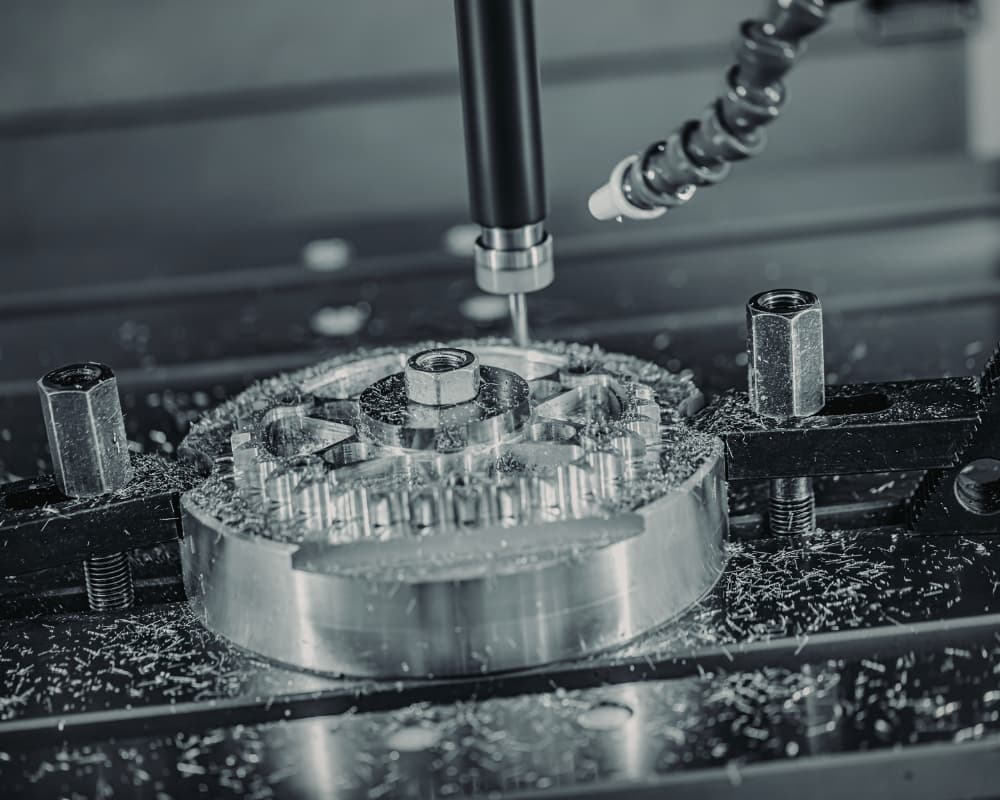
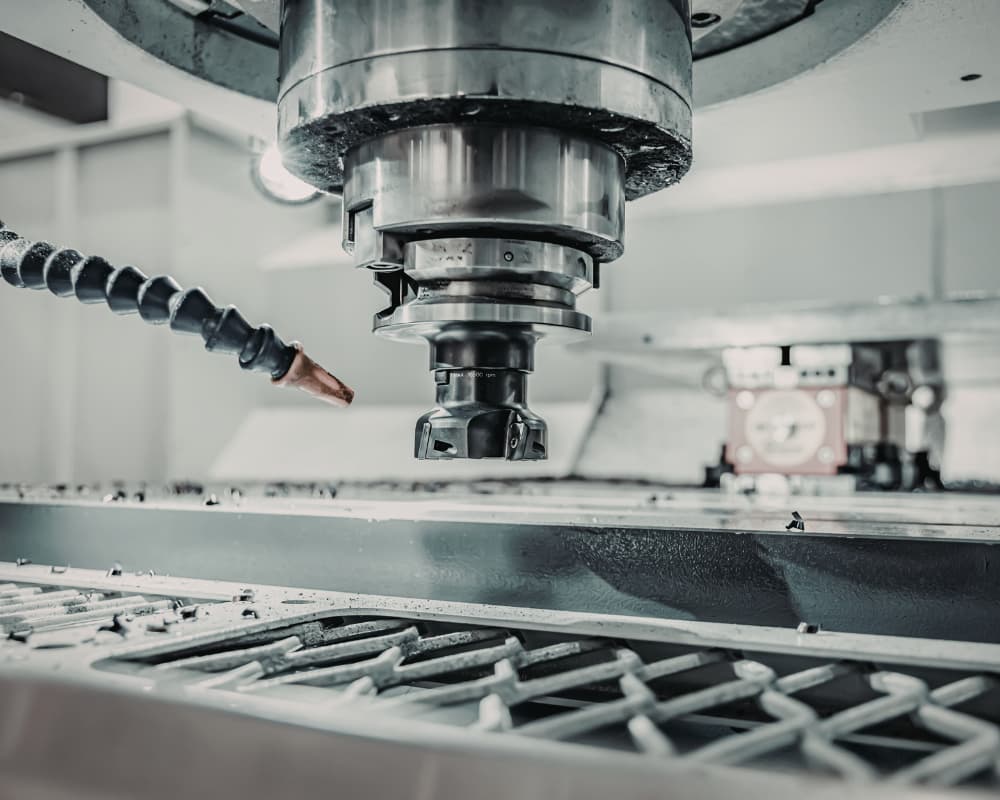
CNC Milling: In this process, the workpiece is typically stationary, and a rotating, multi-point cutting tool removes material from the workpiece’s surface to create the desired shape. CNC mills are commonly found in 3-axis, 4-axis, or 5-axis configurations and are ideal for creating flat surfaces, slots, holes, and complex contours.
CNC Turning: This method involves the workpiece being held by a chuck and rapidly rotated while a fixed, single-point cutting tool is fed into it to remove material. CNC turning centers are primarily used to create cylindrical shapes, tapered surfaces, threads, and internal diameters.
Drilling, Cutting, and Grinding Techniques
Beyond milling and turning, CNC machines can perform several supplementary operations:
- Drilling: Creating precise holes in the workpiece using rotating cutting tools. CNC’s accuracy is critical for correct hole positioning.
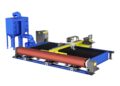
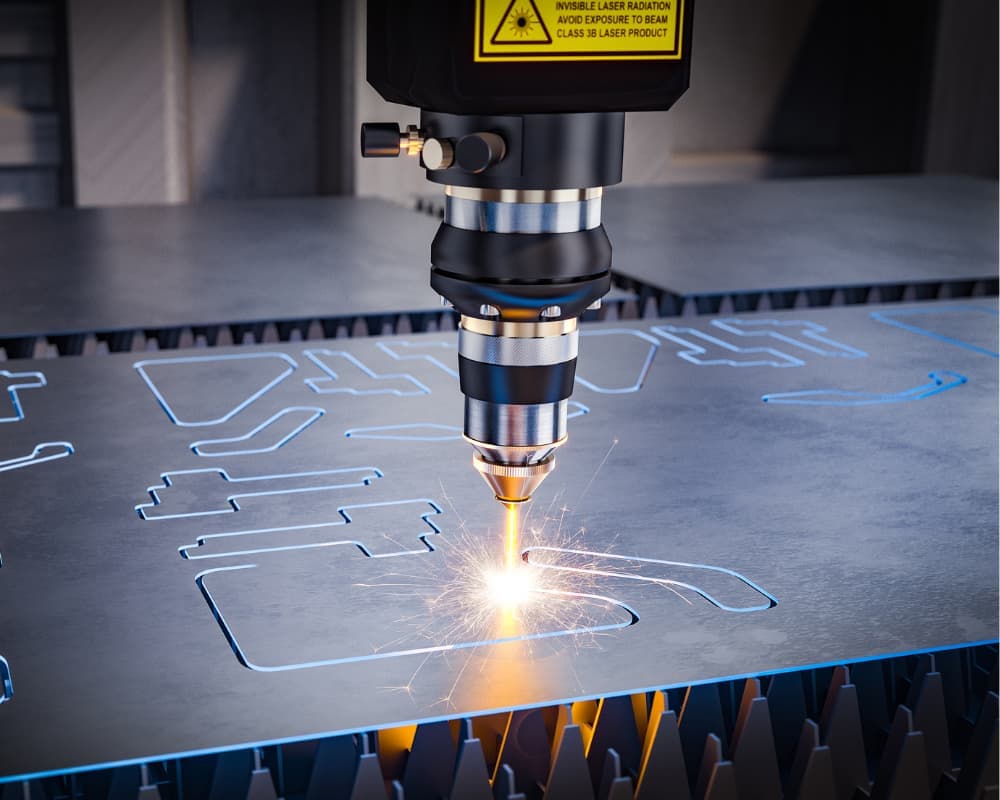
- Cutting: Specialized machining technology methods like laser, plasma, water jet, and Wire Electrical Discharge Machining (EDM) are conducted under CNC control to perform highly accurate cuts.
- Grinding: Used in applications requiring superior surface finish and extreme precision machining, where abrasive wheels remove minute shavings from the part’s surface.
Tools, Materials, and Equipment
The success of CNC machining hinges on the selection of the correct equipment and materials.
Choosing the Right Cutting Tools
Cutting tools are paramount in CNC machining. Tool selection is determined by the material being machined, the geometry of the part, and the required surface finish. Tools are generally made from materials like High-Speed Steel (HSS), carbide (the most common and hardest), ceramics, and CBN (Cubic Boron Nitride).
Tool geometry (flute count, helix angle) and coating (such as TiN, TiAlN) are optimized to extend tool life, improve chip evacuation, and reduce cutting forces.
Machinable Metals and Alloys
CNC machines are capable of processing a vast array of machinable metals and alloys. The most common include:
- Aluminum: Widely used due to its light weight, excellent machinability, and good strength-to-weight ratio.
- Stainless Steels: Used when corrosion resistance and high strength are needed; however, they are more challenging to machine.
- Steels (Carbon and Alloy): Employed for structural strength and wear resistance.
- Titanium: Critical for aerospace and medical applications, though it is difficult to machine and requires specialized cooling.
- Brass and Copper: Preferred for electrical conductivity and decorative uses.
Innovations in CNC Technology
The field of modern machining technology is constantly evolving, with innovations pushing the boundaries of CNC operational precision and efficiency.
AI-Enhanced Machining Precision
Artificial Intelligence (AI) and Machine Learning (ML) are being integrated into CNC control systems. These AI-Enhanced Machining Precision systems are capable of:
- Adaptive Control: Dynamically adjusting machine settings in real-time by monitoring cutting forces, vibration, and temperature. This reduces tool wear and optimizes surface quality.
- Predictive Maintenance: Anticipating machine failures before they occur, minimizing unplanned downtime.
Hybrid Machining Systems
Hybrid Machining Systems combine traditional subtractive processes (like milling) with other technologies such as additive manufacturing (3D printing) or laser cladding in a single machine. These systems can build the complex internal structures of a part additively while finishing the external surfaces to high precision machining standards. This provides a significant advantage, especially for prototyping and repair operations.
Future Trends in Metalworking
CNC machining is advancing toward the future, spearheaded by Industry 4.0 and digital transformation.
Automation and Digital Twin Integration
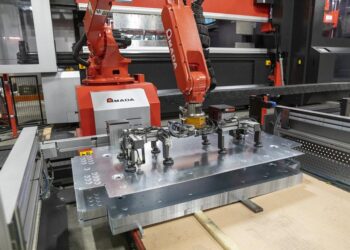
Future metalworking processes facilities will be characterized by full automation. Robotic arm loading/unloading systems and unattended machine operation will become standard. This automation is underpinned by the creation of a Digital Twin, a virtual replica of the production process. Digital twins simulate and optimize machine performance, process parameters, and potential issues in real-time, maximizing production throughput.
Sustainability and Material Efficiency
With increasing environmental awareness, sustainability is becoming a significant trend in CNC operations. This focuses on two key areas:
- Coolant Management: Reducing reliance on traditional coolants by utilizing dry machining or Minimum Quantity Lubrication (MQL) techniques.
- Material Efficiency: Minimizing scrap (swarf) by utilizing precision machining capabilities and increasing the “First-Time-Right” production rate.
CNC machining is more than just a means of producing parts; it is the fundamental machining technology that defines the speed, accuracy, and flexibility of modern fabrication. With continuous innovation and digitalization, CNC will continue to set the standard for future metalworking processes and precision machining.