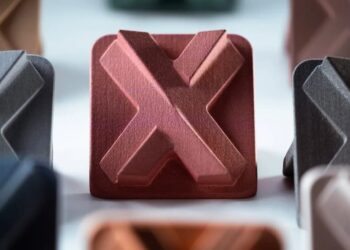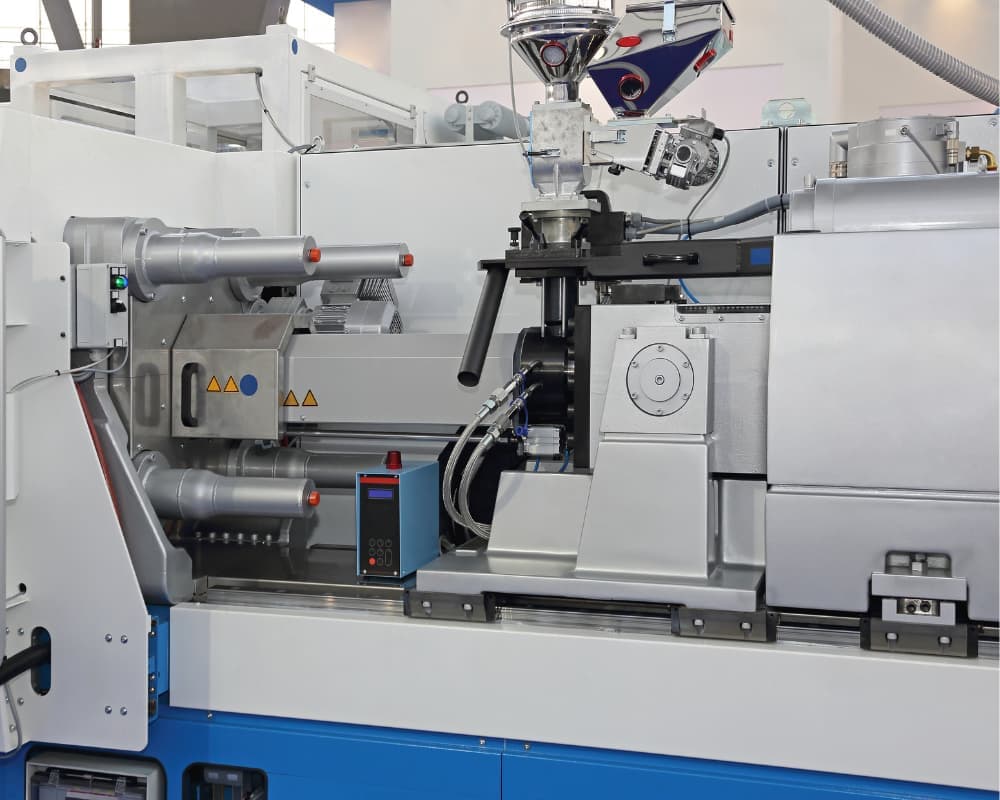
Additive manufacturing (AM), commonly known as 3D printing, is fundamentally reshaping industrial production by allowing manufacturers to create complex, customized components layer by layer directly from a digital file. Moving far beyond its origins in rapid prototyping, AM is now a critical technology driving efficiency, sustainability, and unparalleled design freedom across global industries.
What Is Additive Manufacturing?
From Prototyping to Production
Additive manufacturing began its commercial life in the 1980s as a technology for rapid prototyping, allowing engineers to quickly create non-functional models to visualize designs. As the technology matured, its utility expanded to rapid tooling—creating molds or guides for traditional manufacturing processes. Today, advancements in material science and hardware precision, particularly in metal additive manufacturing, have enabled AM to transition fully into end-part production. Modern industrial systems produce mission-critical, functional parts for aerospace, medical, and automotive applications that meet stringent strength and quality requirements.
Additive vs. Subtractive Processes
The core difference between AM and traditional manufacturing lies in the process philosophy:
- Additive Manufacturing: Creates an object by adding material sequentially, building it up layer by layer. This results in minimal material waste and allows for highly complex internal geometries.
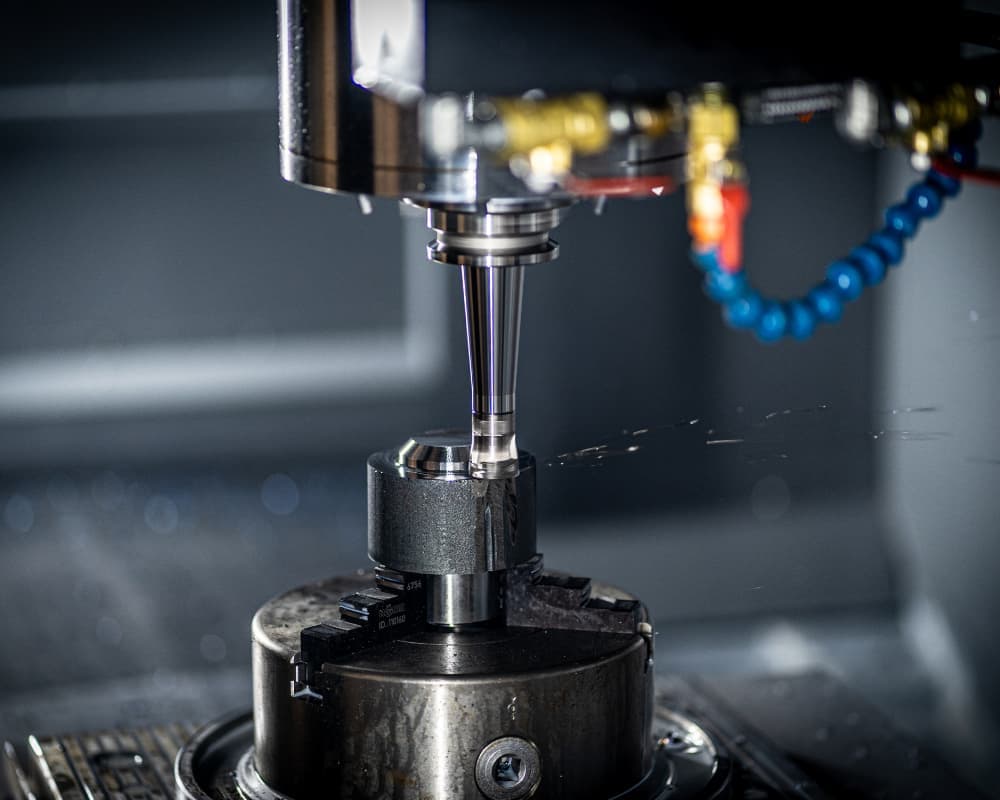
- Subtractive Manufacturing (SM): Creates an object by removing (cutting, drilling, or milling) material from a solid block or billet. SM offers superior surface finish and tight tolerances but results in high material waste (swarf) and is geometrically limited.
AM’s ability to minimize material waste and produce complex shapes is a primary reason for its growing prominence in industrial production.
Core Technologies and Materials
The versatility of AM is supported by a diverse array of technologies capable of processing plastics, ceramics, and high-performance metals.
FDM, SLS, and Metal Printing
Additive manufacturing technologies are generally categorized by the material and process used:
- Fused Deposition Modeling (FDM) / Fused Filament Fabrication (FFF): The most common consumer and prototyping technology. It extrudes melted thermoplastic material through a nozzle, depositing it layer by layer.
- Selective Laser Sintering (SLS): Uses a laser to selectively fuse powdered material (polymers, ceramics, or metals) into a solid structure. Unused powder remains in the build chamber, acting as support.
- Metal Additive Manufacturing (MAM): High-energy processes, such as Direct Metal Laser Sintering (DMLS) and Electron Beam Melting (EBM), are used. These technologies fully melt fine metal powder (e.g., titanium, aluminum, nickel alloys) layer by layer, creating dense, high-strength parts suitable for high-performance applications.
Material Innovation and Recycling
Continuous material innovation is key to AM’s expansion. Research is focused on developing high-performance polymers, composites, and specialized metal alloys tailored for the AM process. A major benefit of AM is recycling and material efficiency; in powder-based systems, unused powder material can often be sieved and reused in subsequent builds, minimizing waste by up to 90% compared to subtractive methods.
Industrial Applications
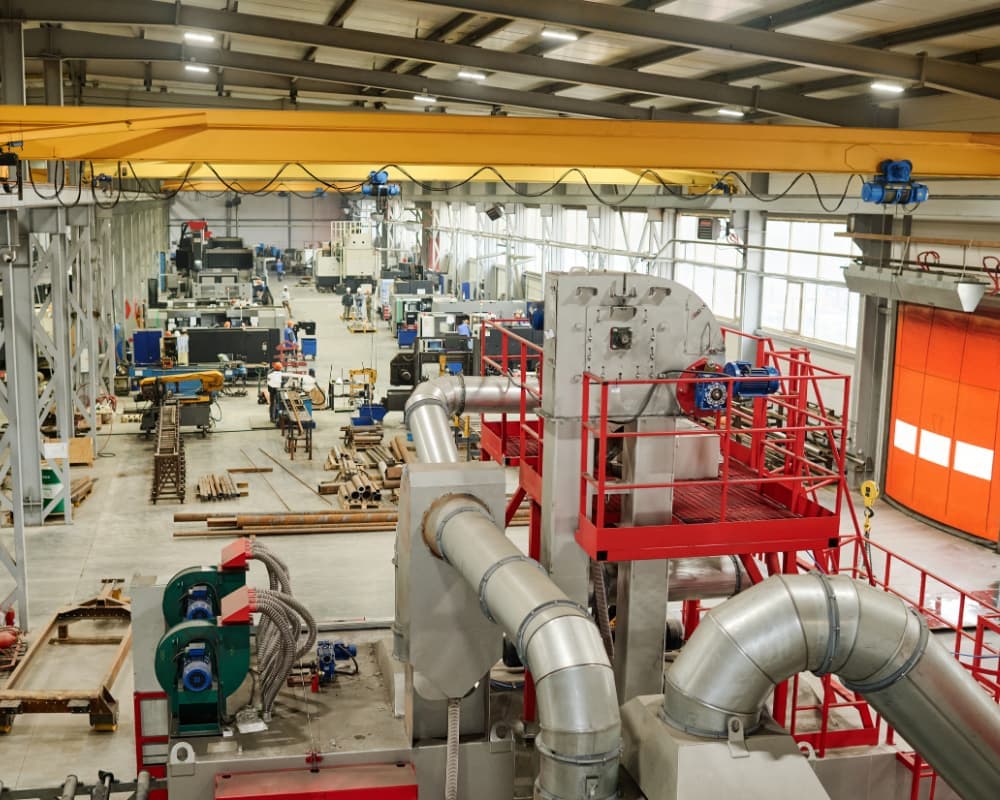
The unique design freedom and customization capabilities of additive manufacturing make it indispensable across three major high-value industries.
Aerospace, Automotive, and Medical Use
- Aerospace: Metal additive manufacturing is heavily used to produce lightweight, complex components like fuel nozzles and turbine blades. By consolidating multiple components into a single printed part and optimizing the internal structure, AM reduces weight by up to 50-70%, leading to significant fuel savings.
- Automotive: AM is vital for rapid prototyping and low-volume production of specialized parts for electric vehicles (EVs) and motorsports. It is also used for printing molds and custom tooling with conformal cooling channels to speed up traditional injection molding processes.
- Medical: AM enables true mass customization, producing patient-specific implants (like hip and knee replacements) and dental aligners based directly on patient scan data. The ability to create porous structures in implants also promotes better integration with bone tissue.
On-Demand Production and Customization
Additive manufacturing facilitates on-demand production by eliminating the need for expensive, time-consuming fixed tooling (molds and dies). Manufacturers can produce parts only as they are needed, reducing inventory costs and eliminating warehousing space for spare parts. This is critical for supporting legacy equipment or producing highly customization items, as the cost per unit remains relatively flat regardless of the batch size.
Emerging Trends
The future of additive manufacturing involves blending technologies and integrating advanced intelligence to simplify and optimize the production process.
Hybrid Machining Systems
A growing trend is hybrid manufacturing, which combines the complexity of additive manufacturing with the precision of CNC machining in a single system or integrated workflow. These machines use directed energy deposition (DED) to rapidly build up material into a near-net shape, and then automatically switch to a CNC spindle to mill the critical surfaces to tight tolerances. This approach maximizes efficiency by quickly adding bulk material while ensuring the final part meets rigorous quality standards.
AI and Generative Design in 3D Printing
The power of 3D printing is amplified by Artificial Intelligence. AI and generative design tools allow engineers to define functional requirements (loads, constraints, desired material), and the AI algorithms automatically create hundreds of optimized, lightweight designs that would be impossible for a human to conceive. This AI-driven design is often directly optimized for the AM process, ensuring maximum material efficiency and minimum structural weight.
The Future of Production
The sustained growth and maturation of AM technology are poised to create a more resilient, sustainable, and flexible global industrial base.
Sustainable and Distributed Manufacturing
Additive manufacturing inherently supports sustainable manufacturing through material waste reduction and its ability to reduce the complexity and length of the global supply chain. The nature of 3D printing allows for distributed manufacturing—the ability to produce necessary parts closer to the point of use. Instead of shipping parts across continents, companies can send a digital file to a certified AM facility near the customer, reducing transportation emissions, decreasing lead times, and building resilience against geopolitical and logistical disruptions.
Market Growth and Scalability
The additive manufacturing market is projected to grow substantially, with a Compound Annual Growth Rate (CAGR) often forecast to exceed 20% through the next decade. This growth is driven by increasing adoption in end-use part production and a continuous decrease in the cost of high-volume metal AM systems. While scalability remains a challenge for true mass production compared to high-volume injection molding, continuous innovations in multi-laser systems and faster material deposition rates are rapidly closing the gap, solidifying AM’s role as an indispensable technology for the global industrial landscape.